In B2B hardware, a “best-selling” product is not defined by marketing volume.
It is defined by repeat orders, long-term deployment stability, and predictable performance in the field.
At Shenzhen Angxun Technology Co., Ltd., our most successful industrial motherboards, Mini PCs, and server platforms share one thing in common:
They were engineered to survive cost pressure without sacrificing reliability.
This article breaks down how we design, validate, and manufacture “high-volume, high-reliability” platforms—and why system integrators trust them at scale.
What “Cost Control” Really Means in Industrial Hardware
In consumer electronics, cost reduction often means component downgrades.
In industrial and server environments, that approach leads to:
For system integrators, the true cost is not BOM price—it is total cost of ownership (TCO).
That is why Angxun applies Value Engineering, not cost cutting.
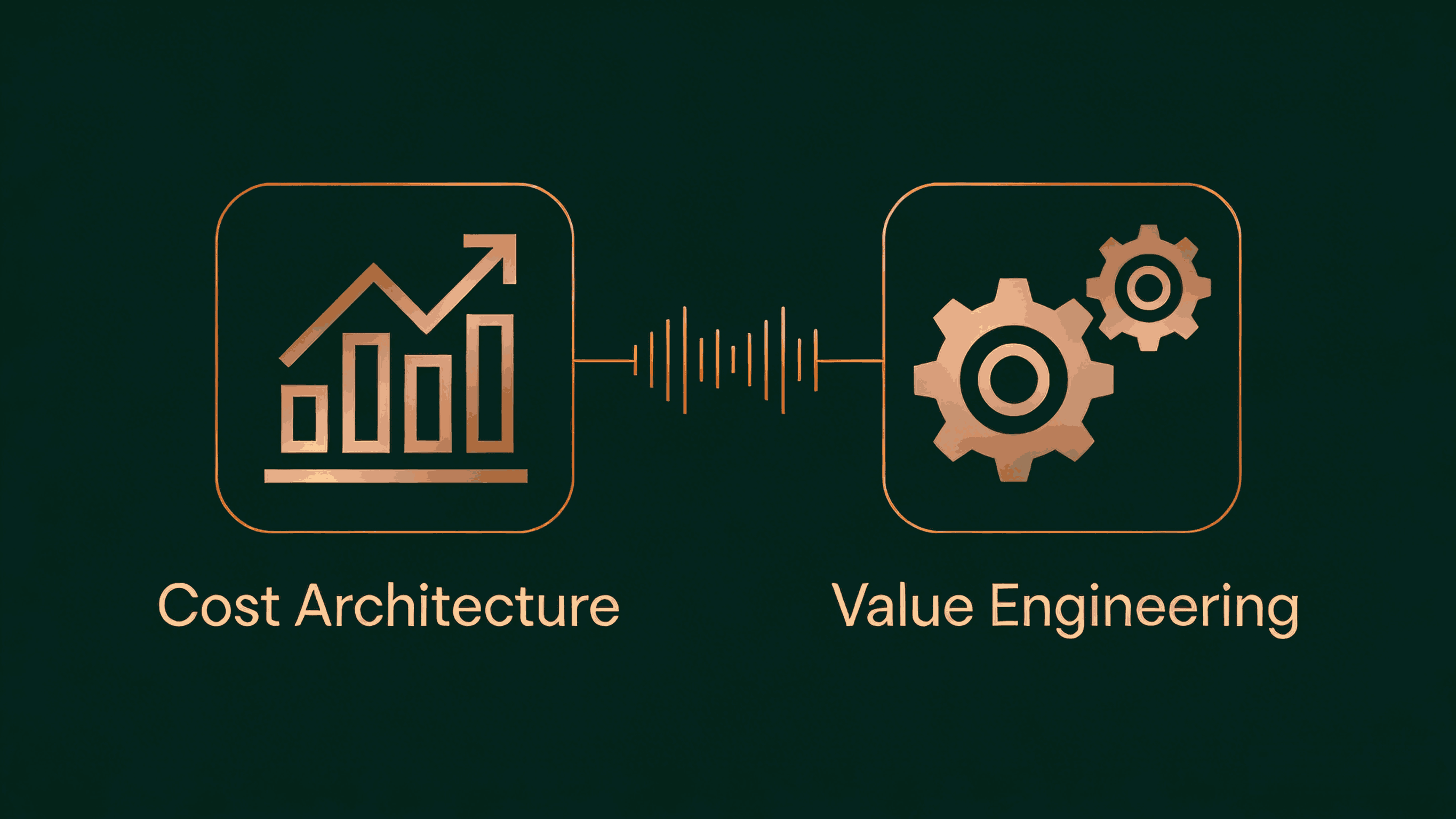
Step 1: Cost Structure Transparency from Day One
Every “Best-Seller” (high-volume platform) starts with a clear cost architecture, including:
Core chipset & CPU platform (Intel / AMD)
Power delivery and VRM topology
PCB layer count and copper thickness
Thermal materials and mechanical design
Test coverage and validation depth
Expected lifecycle and volume scale
By locking these parameters early, we avoid late-stage redesigns that drive hidden costs.
Step 2: Value Engineering—Where Cost Is Reduced Intelligently
Value engineering means removing unnecessary cost, not removing protection.
Examples from Angxun Platforms:

PCB Copper Plating OptimizationWe optimize copper thickness and routing based on real load conditions—not theoretical minimums—achieving cost balance with signal integrity.
Independent CPU Power Supply DesignSlightly higher upfront BOM, dramatically lower RMA rates under continuous load.
All-Solid Capacitors SelectionSelected by lifecycle testing, not price tiers—critical for 24/7 industrial operation.
Thermal Design with Aluminum Base MaterialsPrevents long-term degradation without relying on oversized cooling systems.
These decisions reduce failure probability, which is the most expensive cost of all.
Step 3: Reliability Is Designed, Then Manufactured
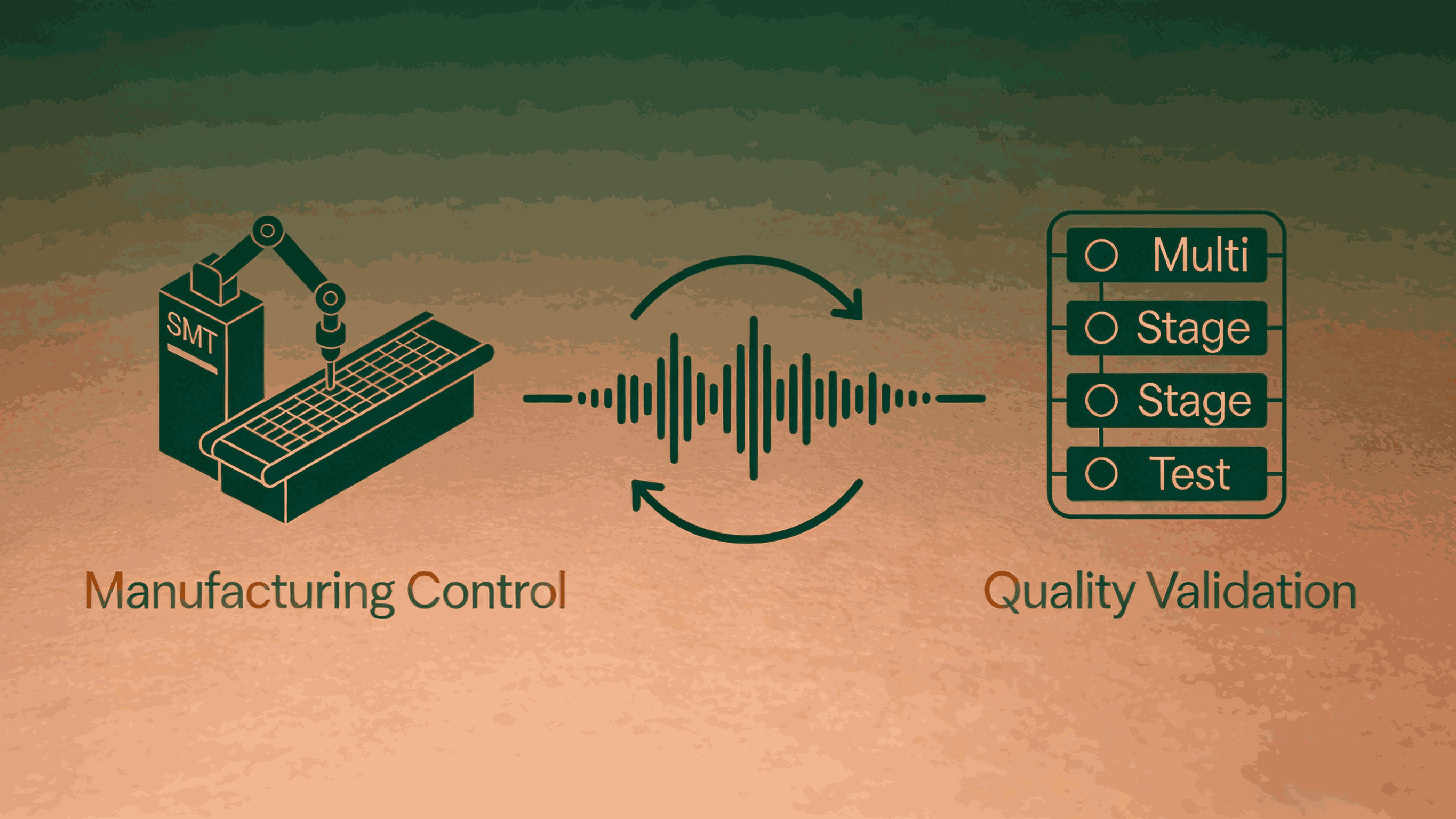
Reliability is not added in testing—it is built into the process.
Our Manufacturing & Quality Control Backbone
5 advanced SMT production lines
High-precision SPI & AOI inspection
Multi-stage functional testing
Power stability and protection verification
Load and stress simulation for industrial use cases
With a monthly capacity of up to 300,000 motherboards, we maintain consistency without sacrificing inspection depth.
Built-In Protection for Real-World Deployments
Every Angxun high-volume platform integrates:
Zero-burning protection circuits
Dual safety devices for voltage & current stabilization
Uniform load data distribution design
Protection against unstable power environments
These features rarely appear on spec sheets—but they are why integrators experience fewer field failures.
Why Our “Best-Sellers” Stay in Production Longer
For system integrators, longevity matters more than novelty.
Angxun products are designed for:
Long lifecycle supply
Controlled component sourcing
Stable BIOS and firmware baselines
ODM/OEM customization without redesign chaos
This is why many of our “Best-Seller” platforms remain in production—and profitable—for years.
The Manufacturing Foundation Behind the Numbers
Shenzhen Angxun Technology Co., Ltd.
Established in 2003
24+ years OEM & ODM experience
10,000㎡ factory
500+ skilled staff
50+ R&D engineers
Certified with CE / ROHS / FCC / ISO
Eco-environmental compliant materials
Fast delivery and guaranteed after-sales service
We don’t optimize for one order—we optimize for long-term partnerships.
What This Means for System Integrators
When you choose an Angxun platform, you gain:
Predictable cost at scale
Reduced validation and RMA risk
Hardware designed for continuous operation
An ODM/OEM partner who understands deployment reality
That is how a product becomes a true B2B best-seller.
Not loud.
Not flashy.
Just reliable—at scale.