Inside our engineering system, validation workflow, and change-management model built for rapid OEM adaptation.
In the white-box server industry, product evolution speed is everything.
A customer requirement changes, a component goes EOL, a firmware update impacts compatibility, a new workload emerges — and the manufacturer must respond immediately.
Traditional server OEMs often take 3–6 months to roll out updates.
But in today’s market, that is unacceptable.
At Shenzhen Angxun Technology, we designed our engineering organization and validation workflow around a single principle:
hardware platforms must evolve at the pace of the customer — not the other way around.
This is why our customers rely on our 30-Day Iteration Model, a proven approach that brings new features, modifications, and optimizations to market with unmatched speed and stability.
Why Rapid Iteration Matters for White-Box Manufacturers
White-box server builders face constant pressure:
Fast-changing market demands
New AI, cloud, and edge workloads
BOM cost optimization cycles
Component discontinuations (EOL/PCN)
Customer-specific customization
Firmware and driver compatibility changes
A platform that cannot evolve quickly becomes obsolete.
A platform that evolves too slowly loses business.
This is exactly the problem our 30-Day Iteration system solves.
1. A Dedicated Engineering Organization Built for Speed
Our team structure enables rapid decision-making and short development cycles:
✔ Cross-functional engineering groups
BIOS, BMC, hardware, firmware, mechanical, and validation teams work as a single unit.
✔ Fast internal prototyping
R&D creates hardware modifications, risers, backplane adjustments, and mechanical revisions in days — not months.
✔ Deployment-focused engineering
Our engineers come from ODM, OEM, and cloud backgrounds; they understand real deployment pain points.
✔ Direct customer engineering channels
Customers interact with our technical PMs and senior engineers, bypassing slow communication layers.
2. A Change-Management Process That Eliminates Risk
Rapid iteration must still be safe.
Our Change Management Workflow ensures stability at every step:
Step 1 — Requirement Capture
We create a detailed engineering spec documenting:
Functional requests
Performance expectations
Compatibility constraints
Affected subsystems (BIOS, PCB, PSU, cooling, firmware)
Step 2 — Impact Analysis
We assess changes across:
Signal integrity
Thermal design
Power delivery
Firmware dependencies
Component supply chain
Manufacturing impact
Step 3 — Engineering Proposal
We provide customers with clear options:
Step 4 — Prototyping & Engineering Build (EB)
Prototype boards or modules are built quickly for validation.
Step 5 — Validation Cycle
We run structured test suites across:
Functional tests
Thermal chamber testing
Power instability testing
PCIe/NVMe/NIC compatibility
BIOS/BMC cross-version checks
Industrial environment validation (if required)
Step 6 — Customer Approval & Production Release
Once approved, the change enters MP (mass production) with complete traceability.
This process ensures speed without chaos.
3. A Full Validation System That Accelerates Stability
Fast iteration is only valuable if the result is stable.
That’s why we maintain a rigorous, automation-supported validation platform.
Our validation covers:
BIOS/BMC regression
Driver/firmware matching
Memory/NVMe/PCIe interoperability
Thermal load testing
Vibration & industrial-grade stress tests
Multi-OS validation (Windows Server, Linux distros, ESXi, Proxmox, OpenWrt)
Aging tests (72h+ burn-in)
Automation tools enable:
Log pattern detection
Power-cycle anomaly tests
High-load stress analytics
Drift detection for firmware inconsistencies
This ensures every 30-day iteration is production-ready, predictable, and stable.
4. 30-Day Iteration in Action: Real-World Examples
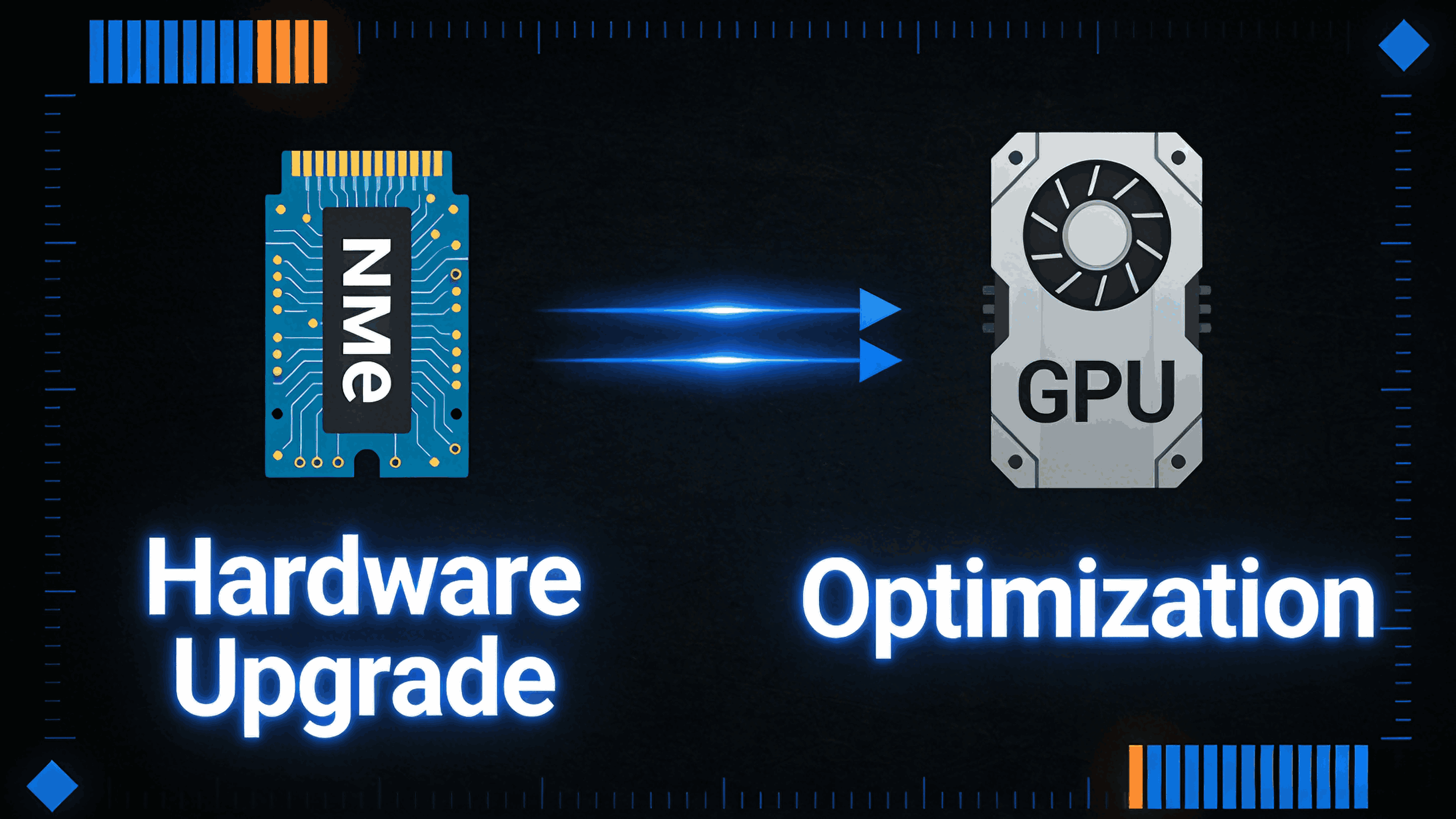
✔ Customer needed a 4x NVMe upgrade
We delivered:
✔ Customer required specific DIMM vendor support
We validated additional SKUs, updated SPD profiles, and tuned memory training.
Timeline: 14 days.
✔ Industrial customer requested improved power stability
We redesigned power filtering and validated under brownout conditions.
Timeline: 28 days.
✔ Edge AI customer needed GPU thermals optimized
We optimized airflow, adjusted fan curves, and validated under 45°C ambient.
PREVIOUS:Server Fleet Standardization: How to Prevent Configuration Drift Across 1,000+ Nodes
NEXT:Designing Motherboards for Debug Efficiency: Hardware Features That Reduce MTTR