How Engineering Validation Reduces RMA and Field Escalations
The Real Cost of a Single Driver Conflict
In enterprise and cloud infrastructure, hardware failures are rarely caused by broken components.
Most RMAs and field escalations originate from something far more subtle — and far more expensive:
Unvalidated interactions between firmware, drivers, and operating systems.
For OEMs, system integrators, and cloud providers, reducing RMA is not a customer service problem.
It is an engineering validation problem.
1. Why RMA and Field Escalations Are Engineering Failures — Not Support Failures
From the field, these issues often look random:
Network adapters intermittently disappearing
Storage controllers entering degraded mode under load
Kernel panics after OS updates
Virtualization hosts behaving inconsistently across nodes
But post-mortems consistently show a pattern:
The hardware was “compatible” — but not validated as a system.
Driver conflicts, firmware mismatches, and timing issues account for a significant share of high-cost escalations.

2. What Engineering Validation Actually Means (Beyond “It Boots”)
True engineering validation is not limited to:
Power-on tests
Functional checks
Single-OS certification
Effective validation focuses on interaction behavior:
Firmware ↔ driver compatibility
Driver ↔ OS kernel versions
PCIe and NUMA enumeration stability
Stress-induced timing conflicts
Upgrade and rollback behavior
The goal is not to prove the system works once —
but that it behaves predictably over time.
3. The Hidden Cost of a Single Driver Conflict (Real-World Data)
Based on aggregated data from OEMs, ODMs, and cloud infrastructure operators:
Typical Cost Breakdown per Field Escalation
Cost Item | Typical Range (USD) |
L1–L2 Technical Support | $80 – $150 |
Senior Engineer / SRE Time | $300 – $800 |
Remote Debugging & Log Analysis | $200 – $600 |
On-site Service Dispatch (if needed) | $500 – $1,500 |
Replacement Logistics & Processing | $200 – $500 |
Total cost per escalation:
$1,200 – $3,500
Importantly, most driver-related escalations do not require hardware replacement — but still incur full operational cost.
4. How Much Does Eliminating One Driver Conflict Actually Save?
Across multiple enterprise deployments:
A single unresolved driver conflict typically triggers 3–7 support interactions
Average escalation resolution time: 3–14 days
Probability of unnecessary RMA: 15–30%
Conservative Annual Impact (Per 1,000 Deployed Systems)
Metric | Without Validation | With Proper Validation |
Driver-related Escalations | 45–70 | 10–15 |
RMAs Triggered | 12–20 | 2–4 |
Estimated Support Cost | $60k–$120k | $15k–$30k |
Savings per 1,000 systems:
$45,000 – $90,000 annually, driven primarily by eliminating driver conflicts before shipment.
5. Why Driver Conflicts Are So Expensive
Driver conflicts are uniquely damaging because they:
Mimic hardware failure symptoms
Are difficult to reproduce remotely
Change behavior after OS updates
Escalate across teams (support → engineering → vendor)
Without a validated baseline, each incident becomes a custom investigation.
6. Engineering Practices That Actually Reduce RMA
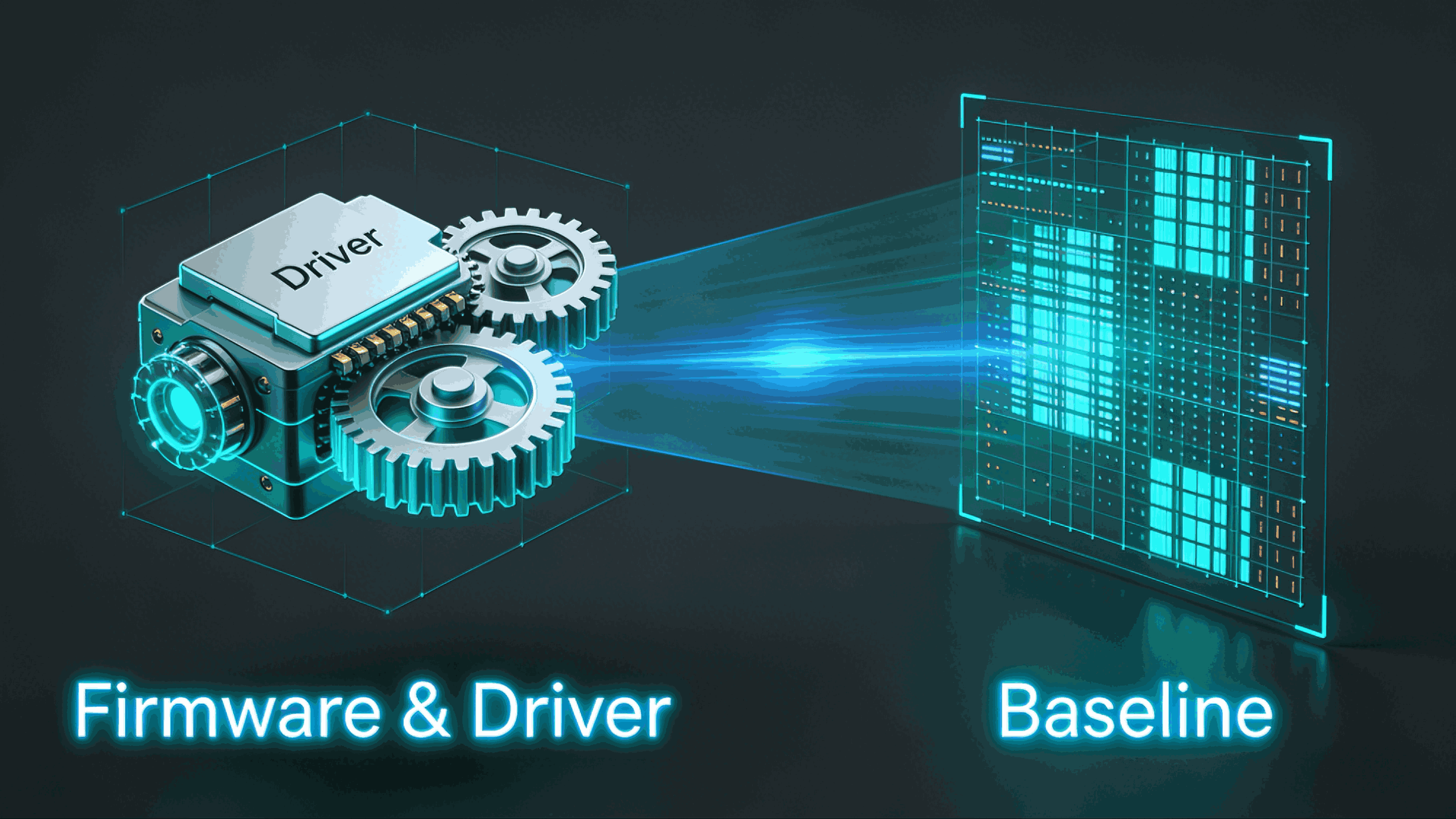
1. Pre-Validated Driver & Firmware Baselines
This eliminates ambiguity during troubleshooting.
2. Cross-OS and Kernel Version Testing
Validation must include:
Most field failures occur after updates, not on day one.
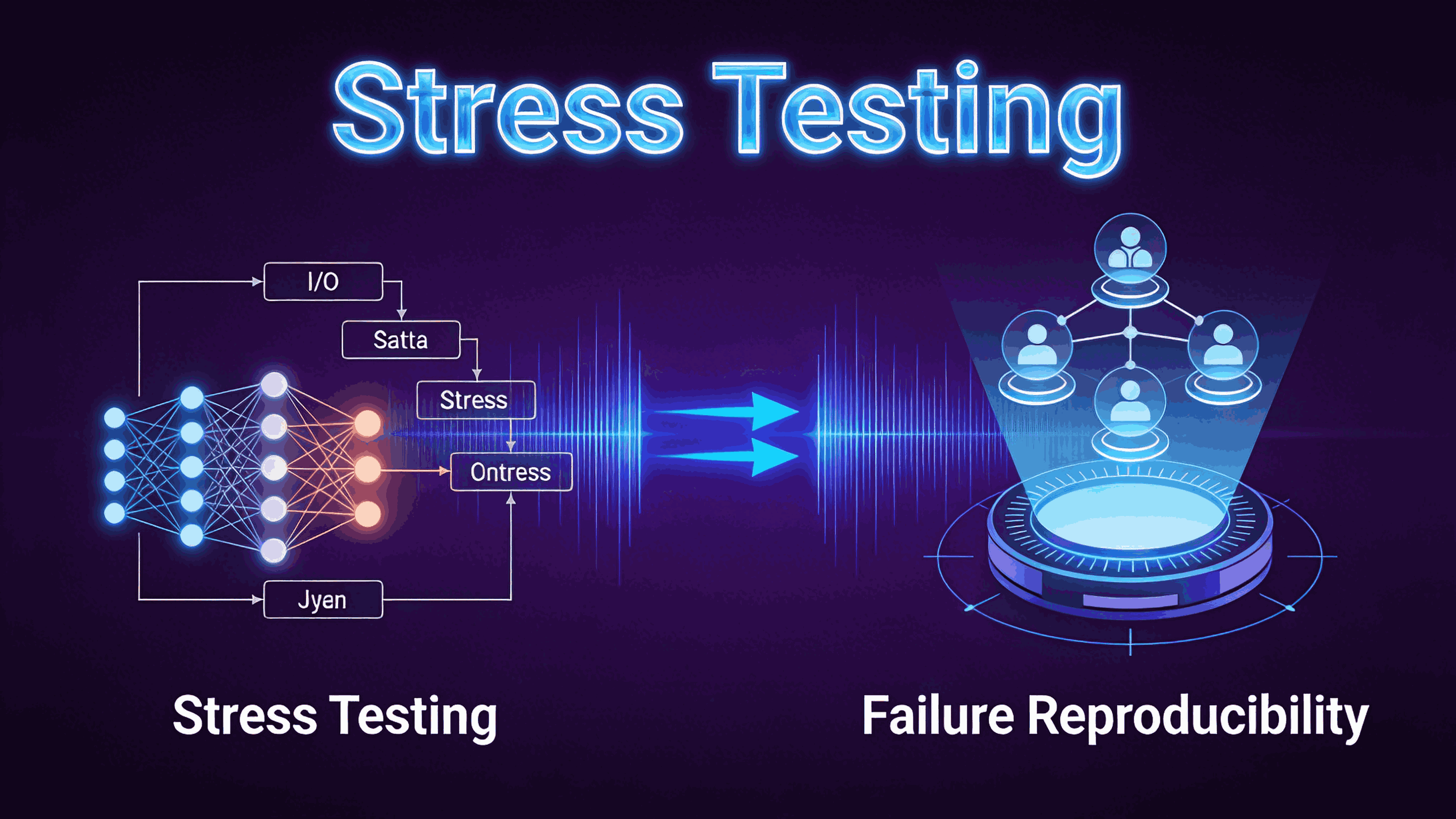
3. Stress-Based Interaction Testing
Many driver conflicts only appear under sustained load.
4. Failure Reproducibility Requirements
Every validated platform should answer:
“Can we reproduce this failure in the lab?”
If not, RMA risk increases dramatically.
5. Deployment-Ready Validation Artifacts
Effective engineering teams provide:
These reduce guesswork for both customers and support teams.
7. Validation Is Cheaper Than RMA — By Orders of Magnitude
A common misconception is that deeper validation slows down delivery.
In reality:
For large deployments, engineering validation becomes a force multiplier.
Conclusion
RMA reduction does not start in customer support.
It starts in engineering validation.
Every eliminated driver conflict:
In modern infrastructure, predictable behavior is the most valuable feature.