A Supply Chain, Delivery Cycle, and Cloud Infrastructure Perspective
For years, the server industry optimized for flexibility.
Today, the industry is optimizing for predictability.
Across cloud providers, system integrators, and enterprise IT teams, one shift is becoming clear:
Pre-validated builds are no longer a convenience — they are becoming the default.
But not all pre-validated builds are equal.
Some will quietly disappear.
Others will shape how servers are designed, delivered, and deployed over the next decade.
1. Why Pre-Validated Builds Are Gaining Momentum Now
Three forces are converging:
Supply Chain Volatility Has Not Gone Away
Even after the acute semiconductor shortages eased, infrastructure teams learned a lasting lesson:
Component availability changes faster than qualification cycles
“Equivalent” substitutions are rarely behavior-equivalent
Late BOM changes create cascading validation delays
Pre-validated builds reduce uncertainty by freezing known-good combinations.
Deployment Speed Is Now a Competitive Advantage
Cloud providers are no longer measured only by uptime.
They are measured by:
How fast new regions come online
How quickly capacity can be added
How consistently deployments behave
Pre-validated builds compress:
Qualification time
Burn-in cycles
Field debugging
Infrastructure Scale Exposes Every Hidden Variable
At small scale, variability is survivable.
At large scale, it is catastrophic.
Cloud environments amplify:
Pre-validated builds remove variables before they reach production.
2. What “Pre-Validated Build” Really Means in 2025+
The next generation of pre-validated builds goes beyond:
“Compatible” components
Single OS certification
Modern pre-validated builds include:
Locked BOM with behavior-equivalent alternates
Frozen BIOS, BMC, and firmware baselines
OS and driver stacks validated as a system
Documented failure modes and recovery paths
In other words:
A pre-validated build is an operational contract — not just a hardware list.
3. The Pre-Validated Builds That Will Become Industry Standards
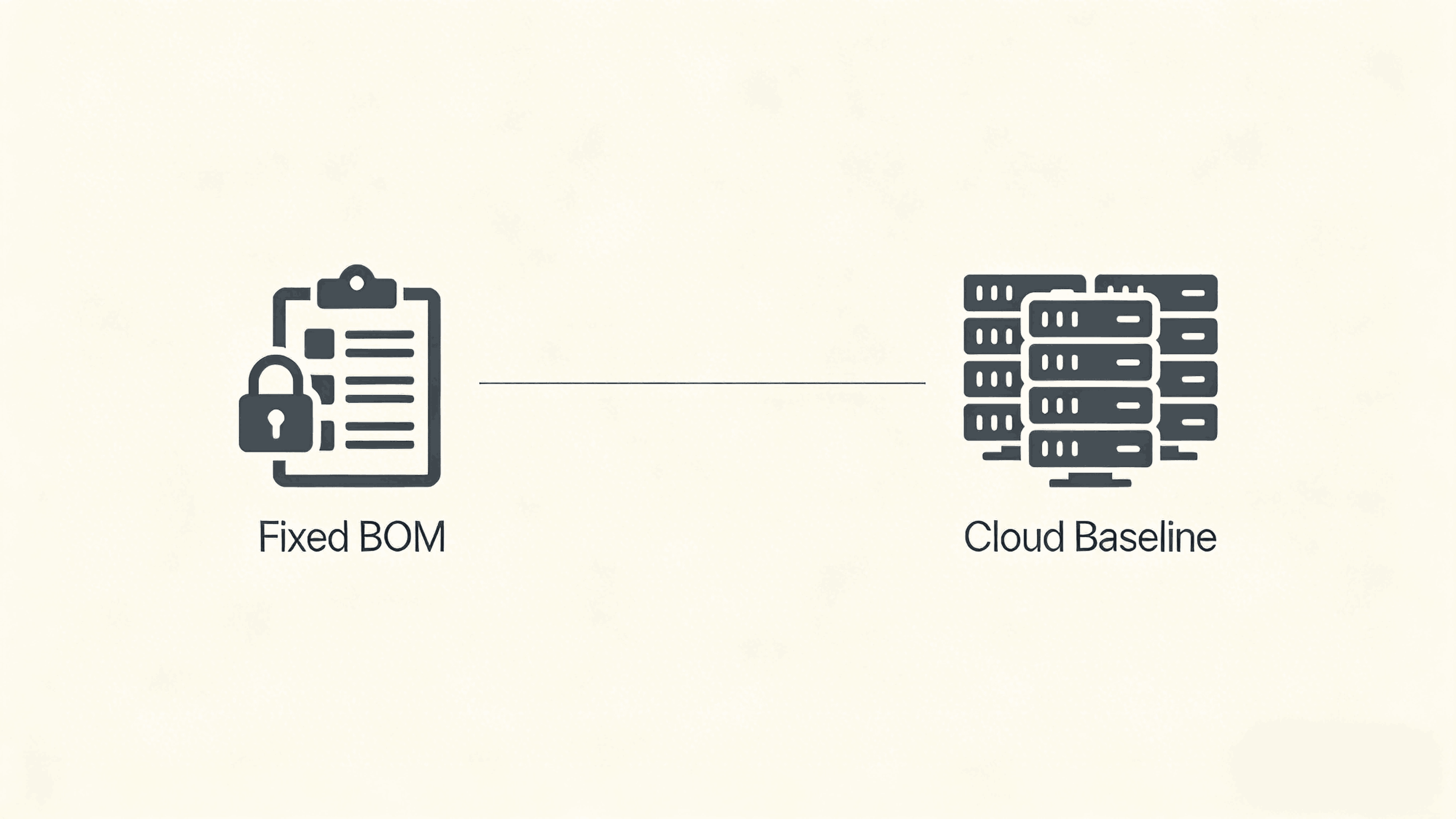
Trend #1: Fixed-SKU Cloud Baseline Builds
Cloud providers increasingly standardize on:
These builds are optimized for:
Flexibility moves upstream; stability stays downstream.
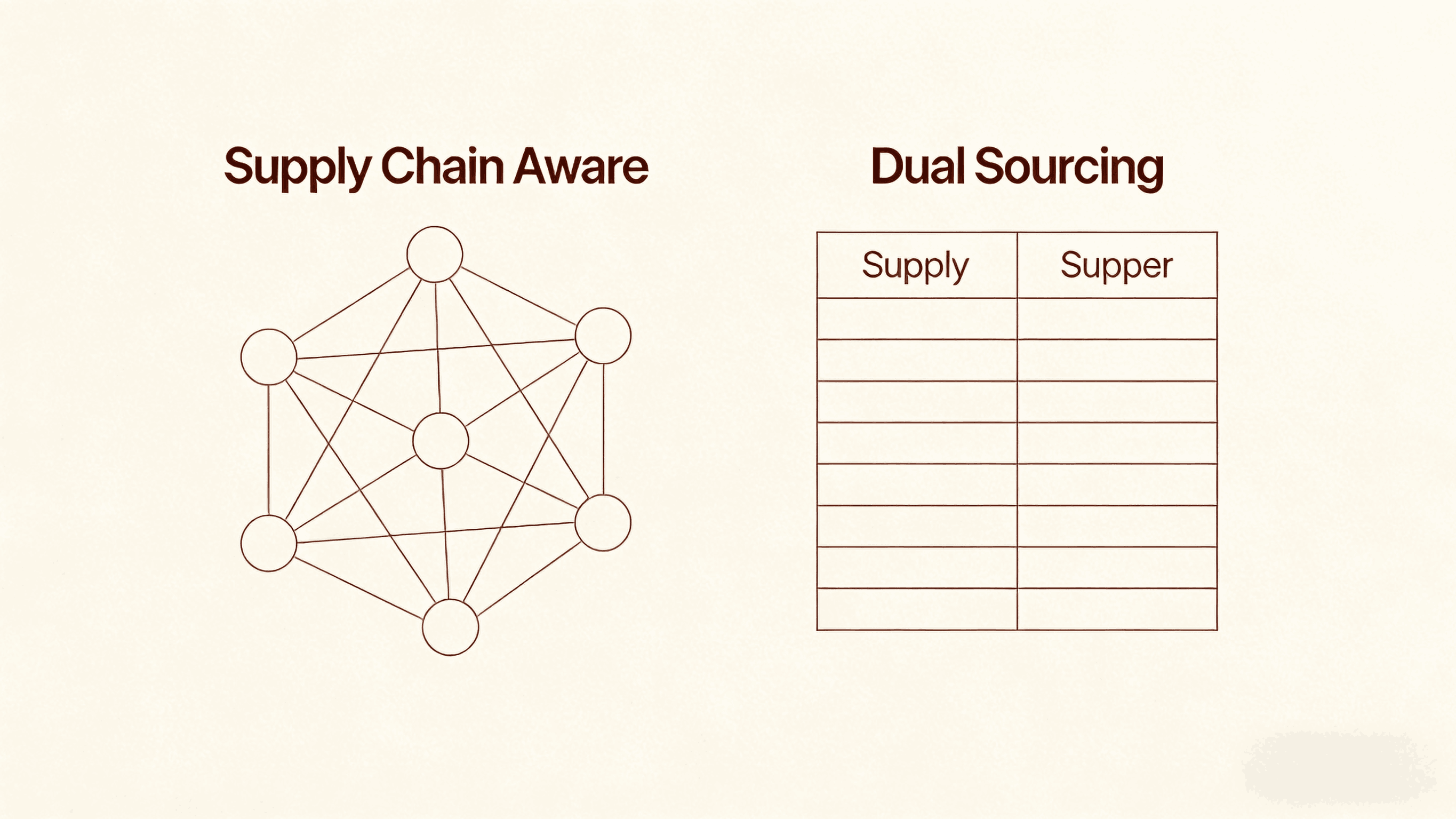
Trend #2: Supply-Chain-Aware Validation Sets
Future pre-validated builds will explicitly account for:
Validation will answer:
“What changes won’t break this system?”
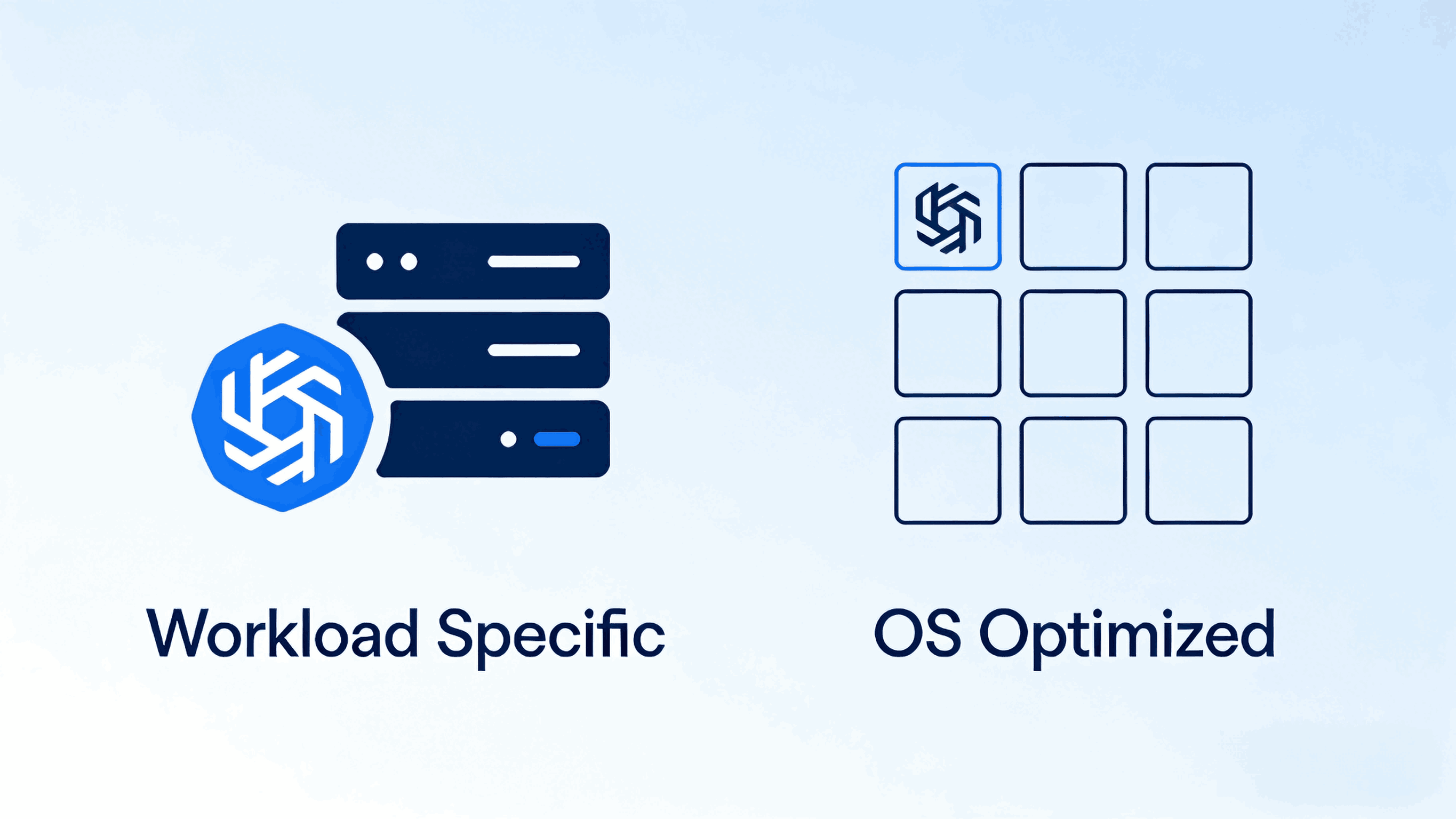
Trend #3: OS-Specific and Workload-Specific Builds
Instead of generic servers, we see:
Kubernetes-optimized builds
Storage-heavy validation profiles
Virtualization-first configurations
These builds align hardware behavior with real workloads, not synthetic benchmarks.
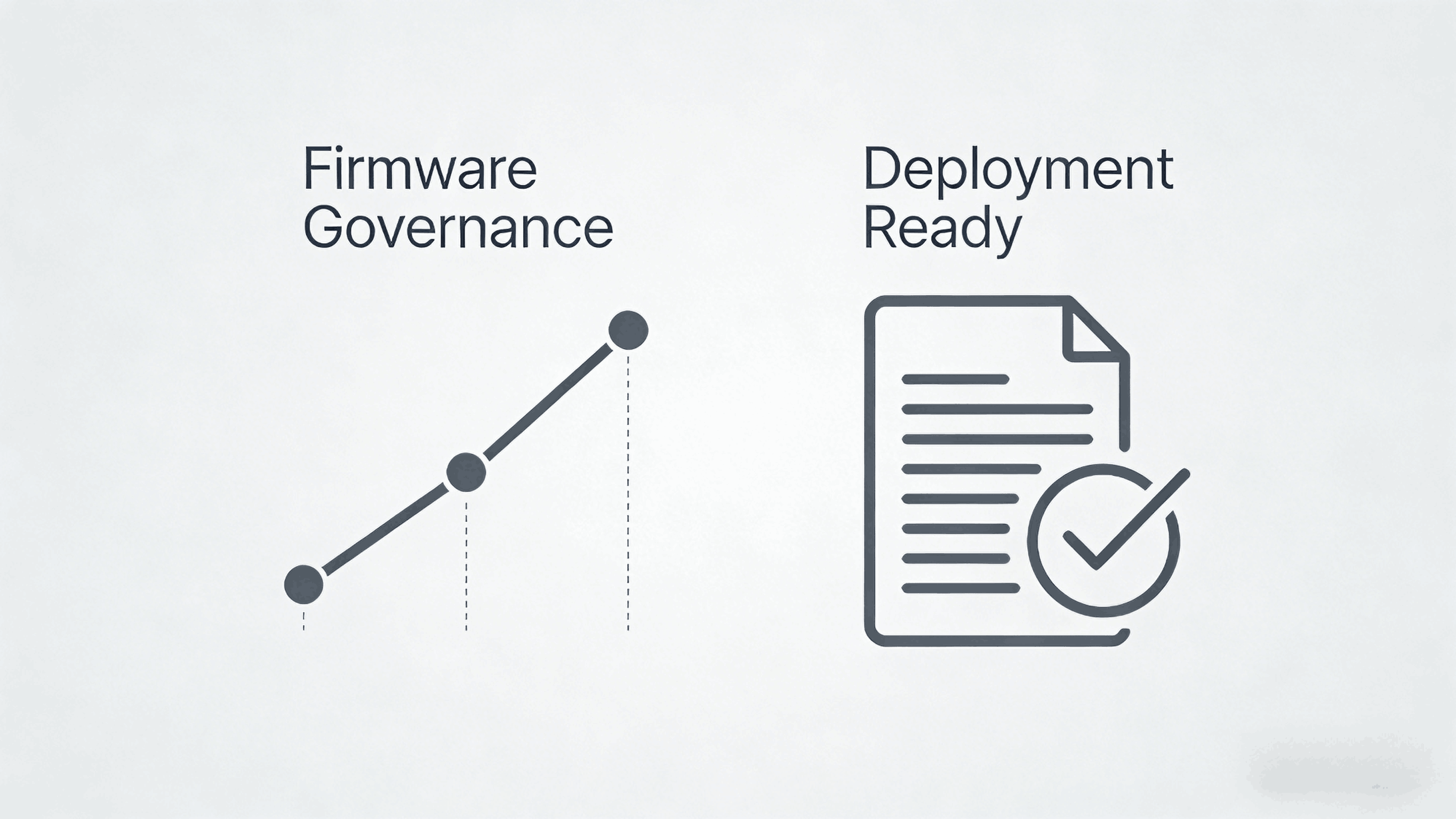
Trend #4: Firmware-Locked, Update-Governed Platforms
The industry is moving away from uncontrolled updates.
Future pre-validated builds include:
Defined firmware update windows
Explicit compatibility matrices
Rollback-safe upgrade paths
This is critical for:
Trend #5: Deployment-Ready Documentation as Part of the Build
The most successful pre-validated builds ship with:
These materials reduce:
4. Why Pre-Validated Builds Shorten Delivery Cycles
From a delivery perspective, pre-validated builds:
Eliminate repeated qualification work
Reduce engineering sign-off cycles
Minimize late-stage changes
Improve manufacturing predictability
For infrastructure operators, this means:
5. What This Means for Hardware Vendors and OEMs
The role of hardware vendors is changing.
The next generation of partners will be judged not by:
But by:
How well they reduce uncertainty
How clearly they document safe combinations
How consistently their platforms behave over time
Pre-validated builds become a trust signal.
6. Predictability Is Becoming the Industry Currency
As cloud infrastructure matures, the industry values change.
Raw performance matters.
Cost efficiency matters.
But predictability is what enables scale.
Pre-validated builds are the mechanism by which predictability is engineered into the system.
Conclusion
The future of server infrastructure belongs to pre-validated builds that reduce variables, shorten delivery cycles, and behave consistently at scale.
In an industry shaped by supply-chain uncertainty and cloud-scale operations, predictability is no longer optional — it is the foundation.