At Shenzhen Angxun Technology, our Field Application Engineers (FAEs) are the backbone of our service. With 24 years of OEM/ODM experience, a 10,000 m² modern factory, 5 SMT lines, and a 50+ member R&D team, we not only build reliable Intel/AMD motherboards and Mini PCs—we also ensure every integrator receives engineering-level support throughout the project lifecycle.
In this interview-style article, our Chief FAE shares five of the most challenging real-world cases we solved in the past year. These stories demonstrate the technical depth, responsiveness, and value that integrators rely on.
Q1: A Digital Signage Client Reported Random Black Screens Across 80 Sites. What Did You Discover?
FAE Answer:
This was an urgent case—about 10% of players randomly went black after running for several hours. The client initially suspected a GPU failure.
After remote diagnostics and log analysis, we discovered that:
The displays used custom EDID data
Their CMS software forced refresh rates unsupported by specific panels
In some units, HDMI cable impedance was inconsistent
We solved the issue by:
Providing a custom BIOS EDID override profile
Adding a watchdog-based display recovery mechanism
Recommending shielded HDMI cables validated in our lab
No hardware replacement was needed.
This saved the customer significant on-site maintenance costs and prevented large-scale screen downtime.
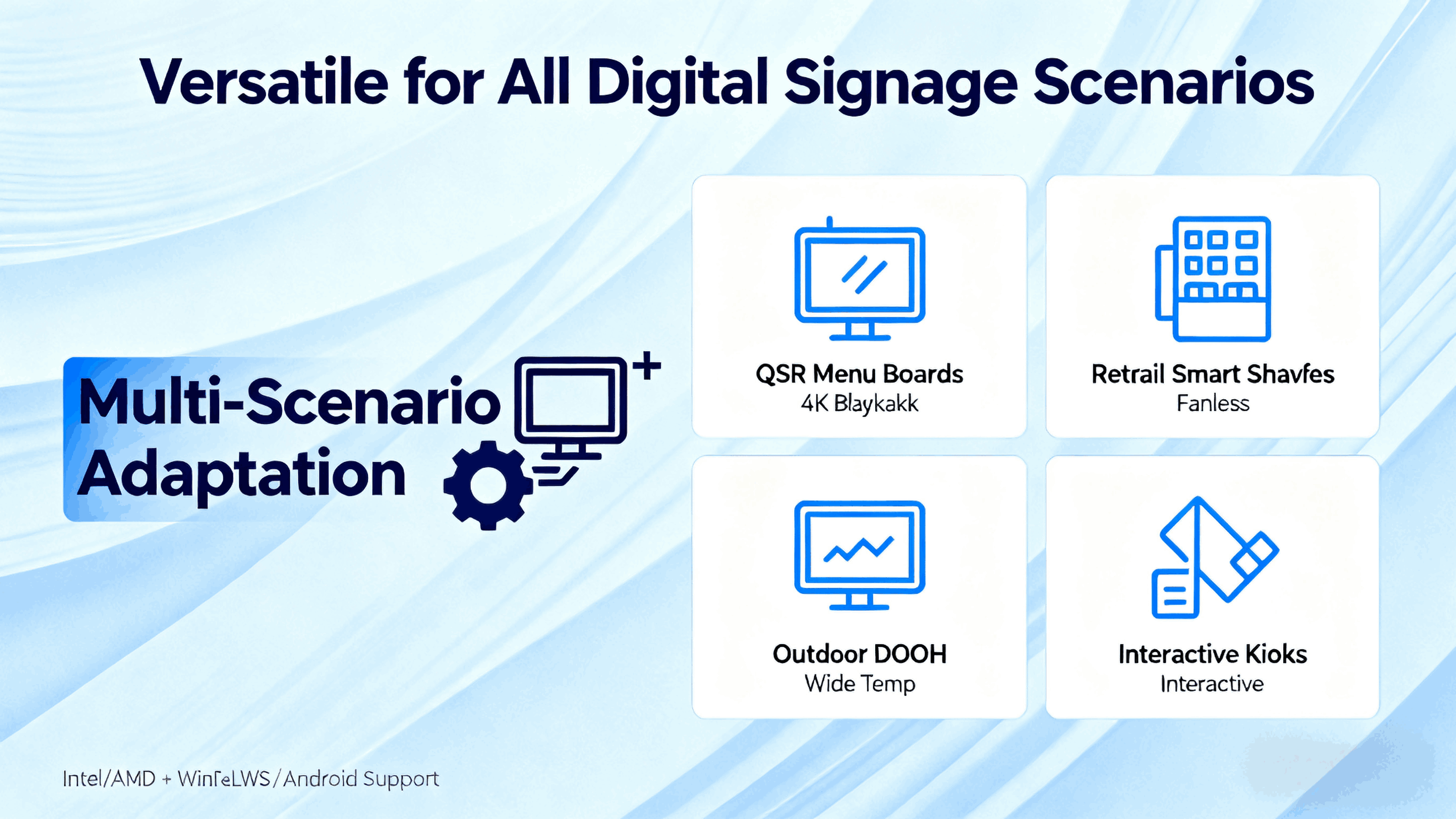
Q2: A Security Integrator Had a CPU Thermal Throttling Issue Even in an Air-Conditioned Room. How Was It Resolved?
FAE Answer:
This deployment used 10th-gen Intel CPUs in a compact chassis. Thermal throttling began once the system hit 75–80% sustained CPU load.
Our analysis showed:
Heat was accumulating on VRM components
Airflow inside the customer’s chassis was insufficient
Their existing cooler didn’t fully cover the heat path
Because Angxun motherboards use:
We optimized the thermal solution by:
Result: CPU stayed below 65°C under full load, and the integrator avoided expensive chassis changes.
Q3: Why Was a Windows-Based Kiosk Taking 90 Seconds to Boot?
FAE Answer:
The customer suspected BIOS or motherboard issues, but after our investigation:
Their OS image loaded unnecessary drivers
Their SSD had inconsistent firmware
TPM initialization delayed boot by 12 seconds
We fixed the issue by:
Customizing BIOS to skip non-essential checks
Flashing SSDs with uniform firmware
Creating a clean, kiosk-optimized Windows image
Boot time dropped from 90 seconds to 21 seconds, dramatically improving kiosk user experience.
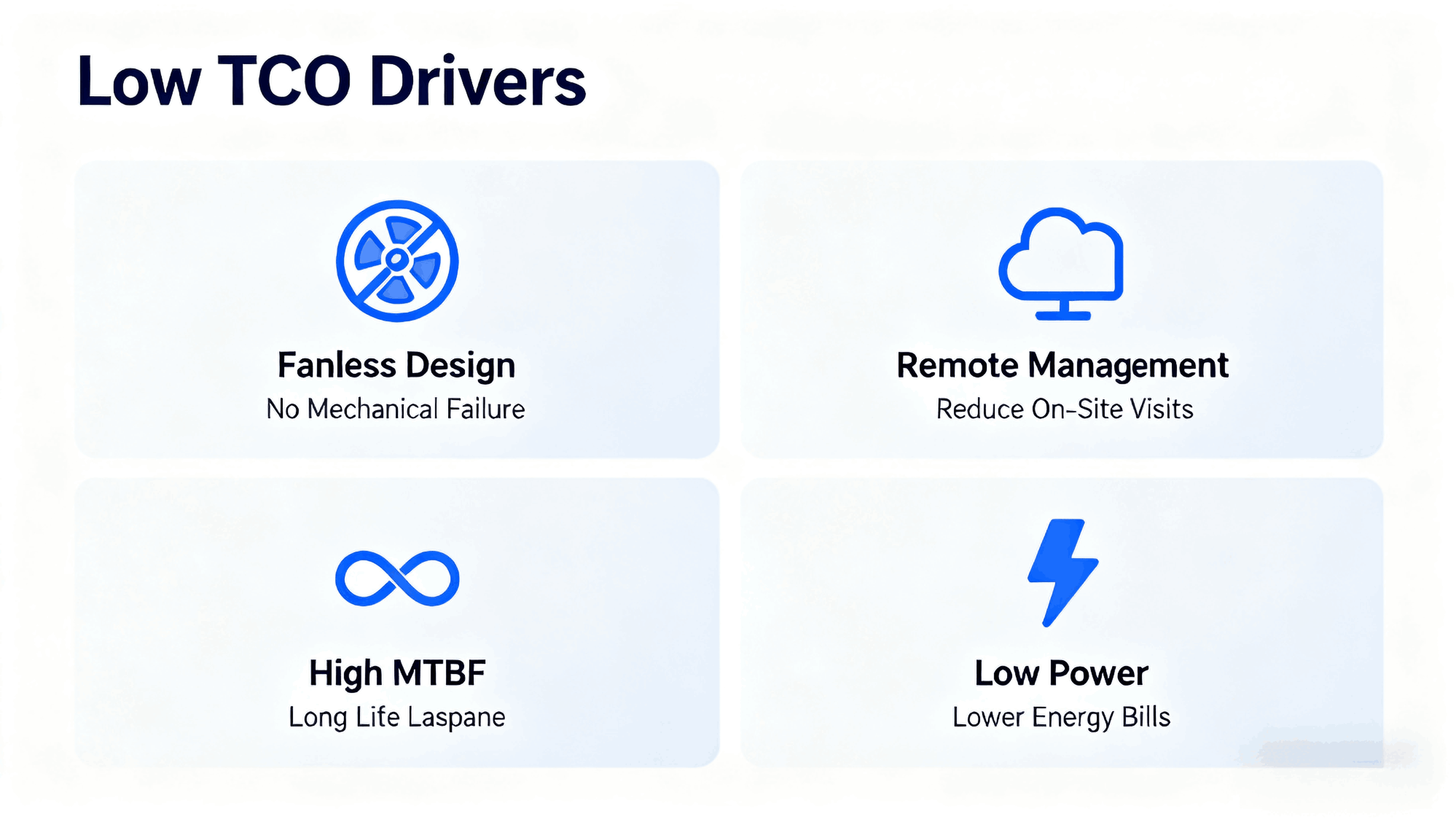
Q4: An Industrial Automation Client Needed Legacy RS-232 Timing Accuracy for a 20-Year-Old Machine. How Did You Achieve It?
FAE Answer:
Legacy equipment often has extremely sensitive timing requirements, especially for serial communication.
Their issue:
Because Angxun specializes in industrial motherboards, we implemented:
A custom BIOS option for fixed legacy UART clocking
A stability patch for their Linux kernel driver
A thermal compensation algorithm for extended environments
After validation in our stress chamber (40°C–85°C), the solution passed 72-hour nonstop testing.
The customer later standardized Angxun boards for all future factory expansions.
Q5: A Retail Integrator Needed a Mini PC With 3 Displays—but Their Software Required Mixed Drivers. How Did You Make It Work?
FAE Answer:
Their system needed:
Two digital signage screens
One touchscreen for staff
A combination of Intel iGPU + discrete GPU drivers
Driver conflicts caused display initialization failures.
Our solution included:
Providing a customized BIOS with PCIe lane remapping
Engineering a hybrid driver package validated by our R&D team
Running a 48-hour multi-display burn-in on our AOI-certified test line
The result was a stable triple-display system that has been deployed across more than 600 stores to date.
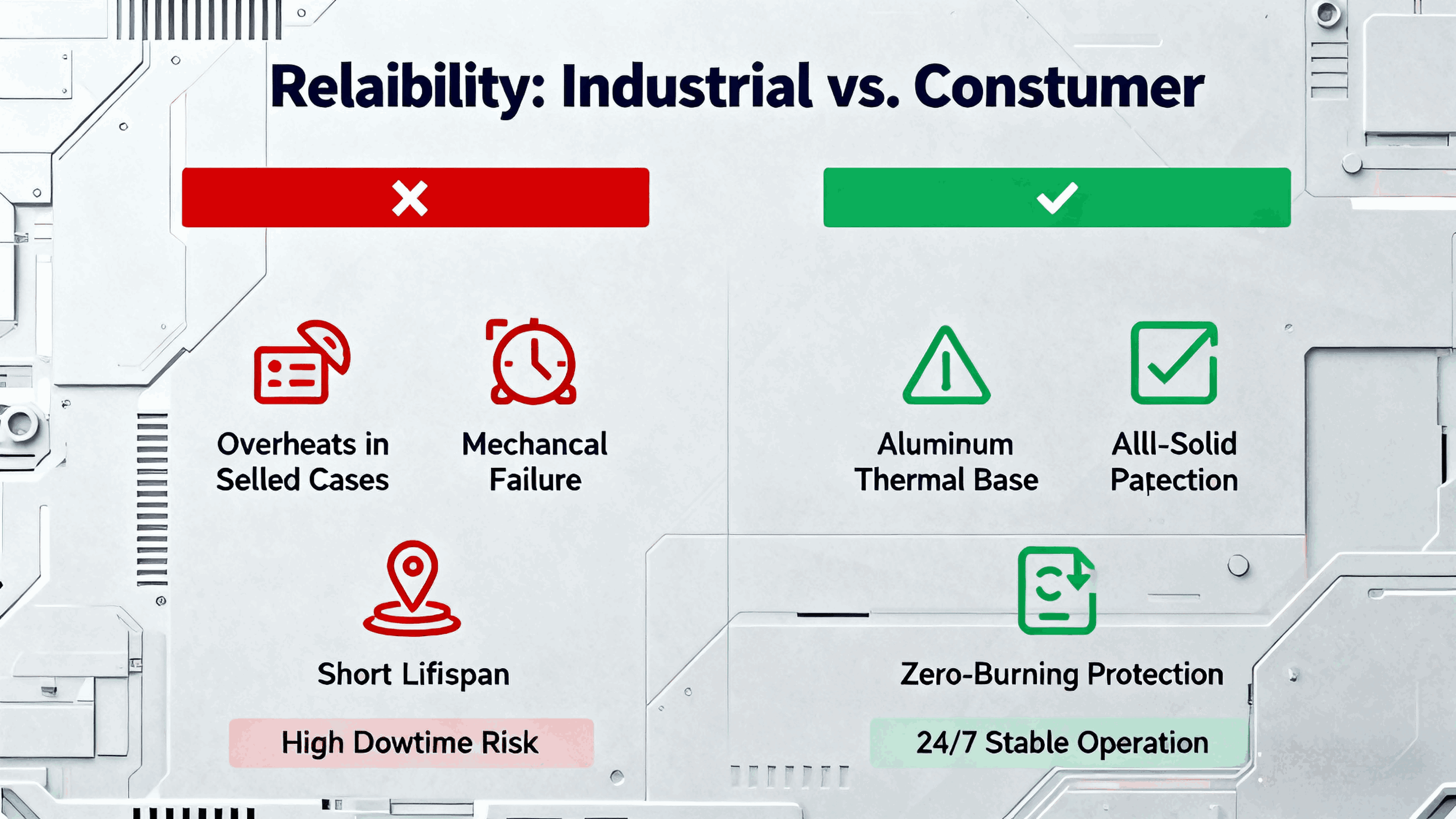
Why These Cases Matter to System Integrators
Each case represents a real-world engineering challenge where hardware, firmware, software, and environmental factors intersect. These outcomes are only possible because Angxun offers:
Engineering Advantages
High-reliability motherboards with industrial-grade components
PCB copper plating for signal integrity
Independent CPU power supply design
Zero-burning protection circuits
Dual-safety voltage/current stabilization
Manufacturing Advantages
5 SMT lines with SPI + AOI precision testing
300,000+ monthly motherboard capacity
Strict BOM control for long-term supply stability
CE, FCC, ROHS, ISO certifications
Service Advantages
24 years of OEM/ODM expertise
50+ R&D engineers
Rapid BIOS, firmware, and driver customization
Guaranteed after-sales technical support
For integrators deploying mission-critical hardware, these capabilities translate into lower project risk, faster issue resolution, and stable long-term operation.
Conclusion: Real Engineering Support Makes a Real Difference
Behind every successful deployment is a strong technical support team. These five cases highlight how Angxun’s FAEs—backed by robust R&D, advanced manufacturing, and deep industry experience—help integrators overcome the toughest challenges in the field.
If your team needs engineering-level guidance, custom firmware, long-term supply assurance, or troubleshooting support, our technical department is ready to assist.