For nearly two decades, IPMI has been the backbone of out-of-band server management.
But as data centers evolve into highly automated, software-defined environments, the limitations of IPMI have become impossible to ignore.
That’s why forward-thinking vendors—and the hyperscalers leading the industry—are shifting to a modern standard: Redfish.
And it’s why our next-generation server and industrial motherboards now adopt full Redfish API support across the entire product line.
Here’s what this transition means for system integrators, MSPs, and data-center operators.
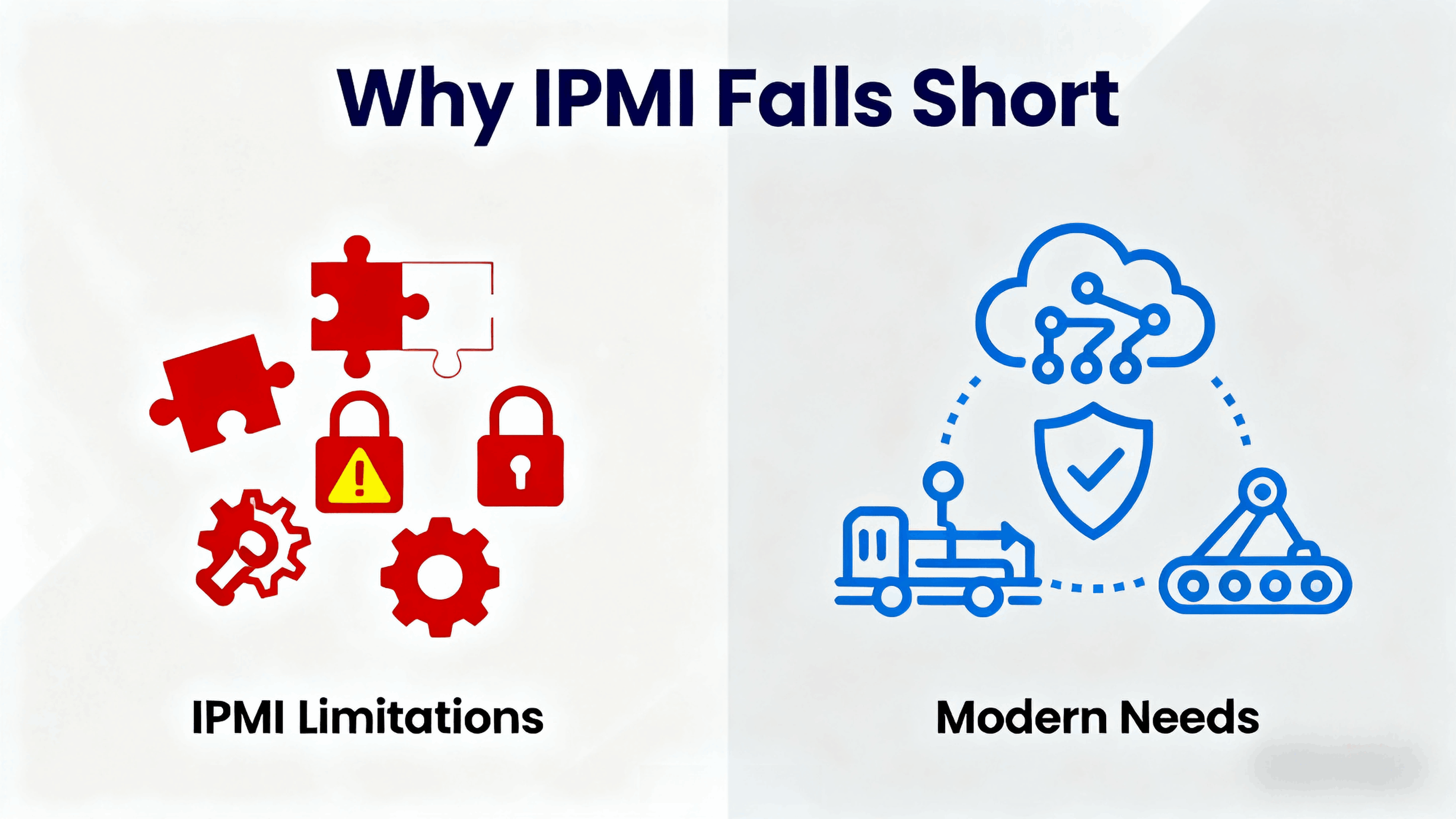
Why IPMI Can No Longer Keep Up
IPMI was created for an era when:
Server fleets were smaller
Manual management was acceptable
Configurations changed slowly
Security risks were far lower
Today’s infrastructure looks nothing like that.
Modern challenges IPMI can’t solve well:
Inconsistent vendor implementations
Limited JSON/HTTPS support
Weak authentication models
Difficulty integrating into cloud-native workflows
No standardized schema for modern hardware components
Limited automation capabilities at scale
For organizations aiming for lights-out operations, IPMI has become a bottleneck.
What Makes Redfish the Future of Server Management
Redfish, developed by the DMTF and widely adopted across the industry, brings server management into the modern era with:
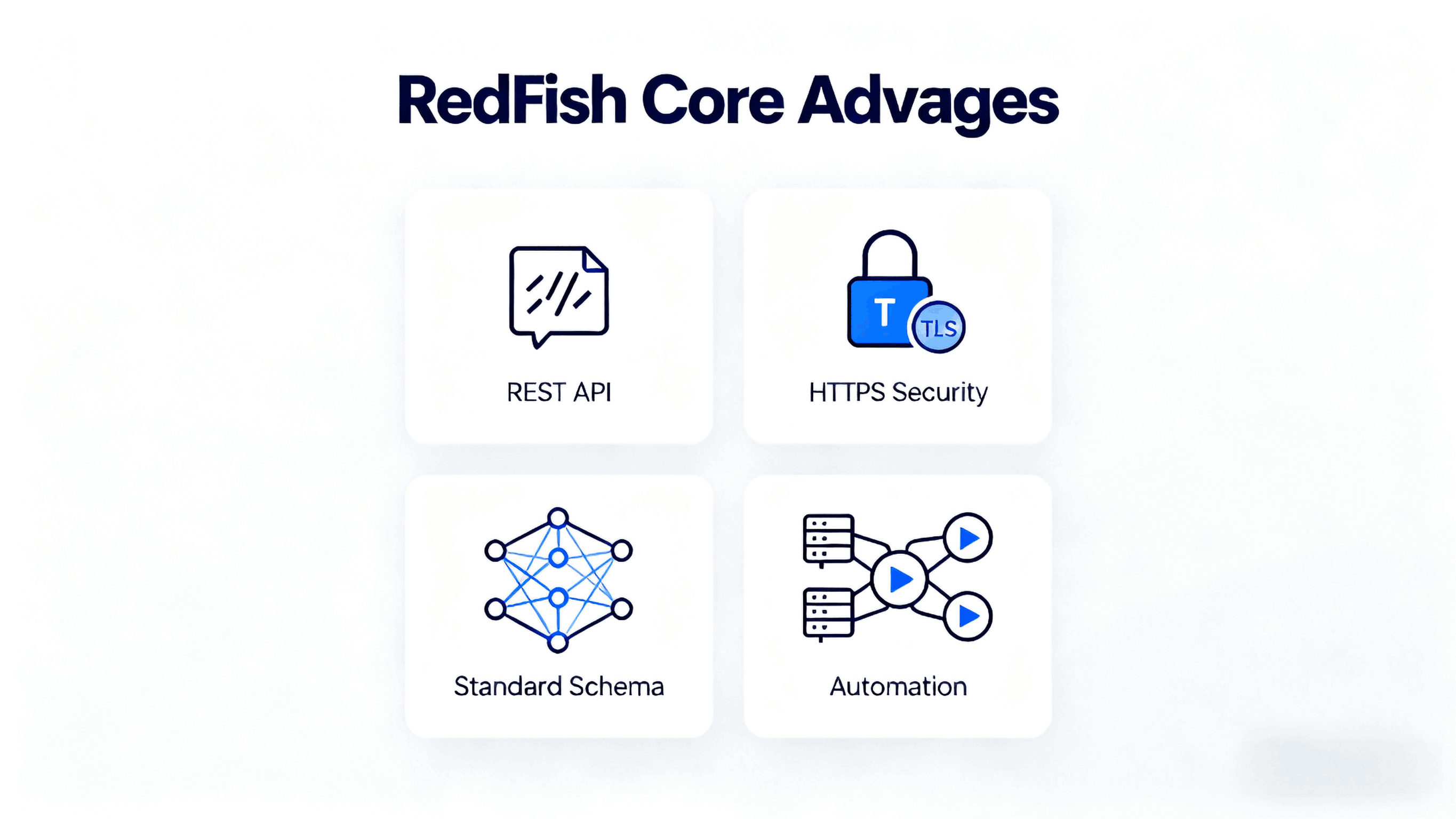
1. RESTful, JSON-based API
This makes Redfish easy to integrate with:
It works like any modern web API, enabling fast, standardized development.
2. Full HTTPS and Role-Based Security
Redfish was designed with security as a priority, not an afterthought.
It includes:
TLS encryption
Session-based authentication
Fine-grained role management
Secure firmware update workflows
For enterprises under strict compliance requirements, this is essential.
3. Standardized, Extensible Schema
Redfish defines structured schemas for:
This eliminates the fragmented “every vendor does it differently” problem of IPMI.
4. Automation at Scale
With Redfish, operators can:
Provision hundreds of nodes in parallel
Perform batch BIOS configuration
Automate firmware updates
Integrate platform telemetry into monitoring stacks
Trigger event-driven workflows (e.g., DCIM, CMDB, observability tools)
This is mission-critical for growing MSPs and cloud service providers.
Why We Fully Embrace Redfish in Our Next-Gen Motherboards
As deployments become more complex, customers need hardware that:
Integrates smoothly into automated environments
Supports zero-touch provisioning
Reduces operational overhead
Enables remote, unattended lifecycle management
Delivers consistent behavior across product generations
By standardizing on Redfish, we ensure every motherboard—whether for OEM server builds, edge computing, or industrial systems—supports:
✔ A unified management interface
✔ Cross-generation schema consistency
✔ Better security and audit compliance
✔ Faster integration with DevOps tools
✔ Reliable operation in distributed and multi-site deployments
This is not a small upgrade—it’s a major step toward truly modernized infrastructure.
Real-World Benefits for SIs, MSPs, and Data Centers
For System Integrators
Faster rack-and-stack workflows
Predictable provisioning behavior
Less time spent writing custom management scripts
For MSPs
Reduced labor cost from manual maintenance
Easier multi-site management
Stronger security posture for client environments
For Data Centers & Cloud Builders
From Legacy IPMI to Modern Redfish: A Necessary Evolution
IPMI isn’t disappearing overnight.
But the industry’s future is already clear:
If your infrastructure strategy includes automation, DevOps, or large-scale operations, Redfish is the only standard that can keep up.
Our full adoption of Redfish ensures your deployments are ready for the next decade—not stuck in the last one.