As the cybersecurity landscape continues to evolve, the shift toward Zero Trust Architecture (ZTA) has become a critical strategy for organizations looking to safeguard their networks, applications, and data. In this environment, the concept of hardware-based root of trust has emerged as a foundational component of Zero Trust. By implementing hardware-level security features such as secure boot, firmware protection, and supply chain security, businesses can ensure that their systems are more resilient to advanced threats and compliant with regulatory requirements.
In this article, we will delve into the essential hardware security features that enable Zero Trust architectures, providing organizations with a reliable and secure foundation for modern enterprise security.

What is Hardware-Based Root of Trust?
A Root of Trust (RoT) is a hardware-based security mechanism that establishes the highest level of trust in a system. It ensures that only authorized code can execute, and it prevents unauthorized access to critical system functions. The hardware-based RoT is a critical enabler of Zero Trust because it ensures that security starts at the most fundamental level: the hardware.
By embedding cryptographic functions directly into the hardware, a Root of Trust can protect against a wide range of attacks, including those targeting the operating system, firmware, and hardware interfaces. This enables organizations to detect and mitigate threats before they can compromise the system.
Key Hardware Security Features for Zero Trust A
rchitectures
To build a Zero Trust network, the hardware needs to be secure from the start. Below are the critical hardware-level security features that support a strong foundation for Zero Trust:
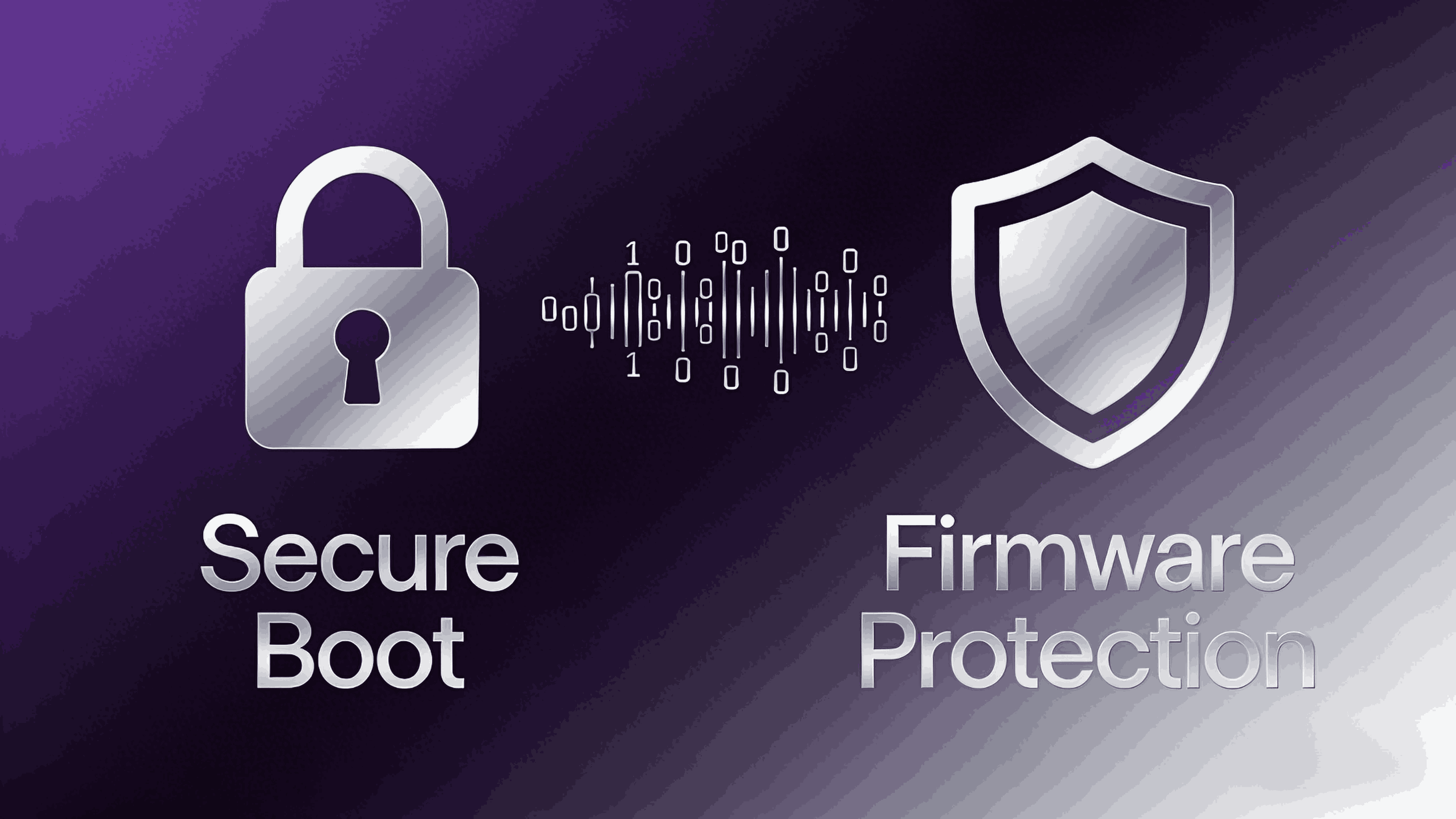
Secure Boot:Secure boot is a critical security feature that ensures the integrity of the system from the moment it powers up. It verifies that only trusted firmware and operating system components are loaded during the boot process. If unauthorized code is detected, secure boot prevents the system from loading, thereby stopping malware or unauthorized access before it can take control of the system. This hardware-level protection prevents rootkits and bootkits from compromising the system’s integrity.
Firmware Protection:Firmware is the software that directly interacts with hardware and controls low-level system functions. Firmware vulnerabilities are increasingly exploited by attackers to gain control over devices. Firmware protection mechanisms, such as Trusted Platform Module (TPM) and UEFI Secure Boot, help protect the integrity of firmware by ensuring that only signed and verified firmware is executed during boot and updates. This prevents attackers from replacing legitimate firmware with malicious code and protects against persistent malware that survives reboots.
Supply Chain Security:With the growing number of threats targeting the hardware supply chain, ensuring that devices are free from tampering and embedded threats is crucial. Supply chain security involves securing both hardware and software components from the point of manufacture to deployment. By using hardware-based RoT features such as trusted hardware certificates and hardware-based attestation, organizations can validate that all components are genuine and haven’t been compromised during the manufacturing or shipping process.
Hardware Encryption and Secure Key Management:Encryption is a fundamental aspect of Zero Trust, and hardware-based encryption ensures that data is securely encrypted without relying on software solutions that can be vulnerable to attack. Hardware security modules (HSMs) provide secure key management, allowing organizations to store cryptographic keys in tamper-resistant hardware, protecting sensitive data from unauthorized access.
Platform Integrity and Remote Attestation:Remote attestation is a process that verifies the integrity of a device’s hardware and software components, even when the device is located in a remote or untrusted environment. By utilizing hardware-based attestation features, businesses can ensure that devices connecting to the network are secure and comply with organizational security policies before granting access to sensitive resources.

Meeting Compliance Requirements with Hardware-Based Security
In addition to enhancing security, hardware-based RoT features are essential for meeting regulatory and compliance requirements. Many industries, such as finance, healthcare, and government, have stringent security and privacy regulations that require organizations to protect sensitive data and maintain a high level of trust in their IT systems.
Hardware security features like secure boot, firmware protection, and supply chain security help businesses comply with key regulations, including:
General Data Protection Regulation (GDPR)
Federal Information Security Management Act (FISMA)
Health Insurance Portability and Accountability Act (HIPAA)
Payment Card Industry Data Security Standard (PCI DSS)
By implementing hardware-based security mechanisms, organizations can demonstrate their commitment to maintaining the integrity of their systems, protecting sensitive data, and meeting industry standards for security.
Building a Zero Trust Framework with Hardware Security
To create a robust Zero Trust Architecture, organizations must integrate security at every level, from the hardware to the software. Hardware-based RoT serves as the cornerstone of this approach by ensuring that only trusted devices can access the network, and that unauthorized activities are detected early.
By implementing hardware-based security features, companies can significantly improve their ability to defend against modern threats, reduce the attack surface, and build a secure, compliant, and resilient IT environment. These security mechanisms lay the foundation for Zero Trust policies, such as identity verification, least privilege access, and continuous monitoring, all of which are essential for creating a comprehensive security strategy.

Conclusion
The implementation of a hardware-based root of trust is a critical component of a Zero Trust Architecture. By incorporating features like secure boot, firmware protection, and supply chain security, organizations can establish a strong foundation for securing their systems against unauthorized access and tampering. As the threat landscape continues to evolve, hardware-based security will play a key role in meeting compliance requirements and ensuring that businesses can defend their data, networks, and devices against increasingly sophisticated cyber threats.
Building a solid foundation of hardware-based trust is not just a technical requirement but also a strategic necessity for any organization seeking to implement a comprehensive Zero Trust model.