From Manual to Automated: How Redfish API is Transforming Data Center Operations Efficiency
In today's rapidly evolving business environment, data center management has become more complex than ever. As businesses rely increasingly on data-driven decisions, the need for efficient, scalable, and secure operations is paramount. Traditionally, managing data centers involved manual processes that were time-consuming and prone to human error. However, with the rise of modern management standards like the Redfish API, data center automation is no longer just a possibility—it’s a reality.
In this article, we’ll explore how Redfish API, an open industry standard for data center management, is reshaping the way businesses manage their IT infrastructure. From reducing human error to increasing operational efficiency, Redfish API is enabling a more automated approach to data center operations, significantly lowering labor costs and streamlining processes.
What is Redfish API?
Redfish API is a modern, secure, and scalable management standard designed to simplify data center management. It provides a comprehensive framework for monitoring and controlling hardware, including servers, storage devices, and networking equipment, using standard RESTful APIs. Developed by the DMTF (Distributed Management Task Force), Redfish is intended to replace older, proprietary management interfaces with an open, more flexible solution that can be easily integrated into existing IT ecosystems.
The key advantage of Redfish API is that it offers a unified interface for managing the entire IT infrastructure. Whether it’s for power management, hardware inventory, or firmware updates, Redfish API simplifies and streamlines the process, enabling automated workflows and reducing the need for manual intervention.
The Shift from Manual to Automated Operations
One of the primary benefits of Redfish API is its ability to automate many of the manual processes that have traditionally consumed significant time and resources. Below are several key areas where Redfish API is making a tangible impact on data center operations:
Hardware Management and Monitoring:Traditionally, managing hardware in a data center involved logging into each device and manually checking for status updates, failures, or required maintenance. With Redfish API, this process is automated, providing real-time monitoring of hardware components such as servers, storage, and networking devices. This enables IT teams to quickly identify issues before they cause downtime or operational disruptions.
Automated Provisioning and Configuration:Redfish API allows for the automated provisioning and configuration of hardware devices. This means that rather than manually configuring each server or storage device, administrators can script these processes, reducing the time and complexity involved in deploying new equipment. Automated provisioning helps eliminate configuration errors, ensuring a smoother and more efficient deployment.
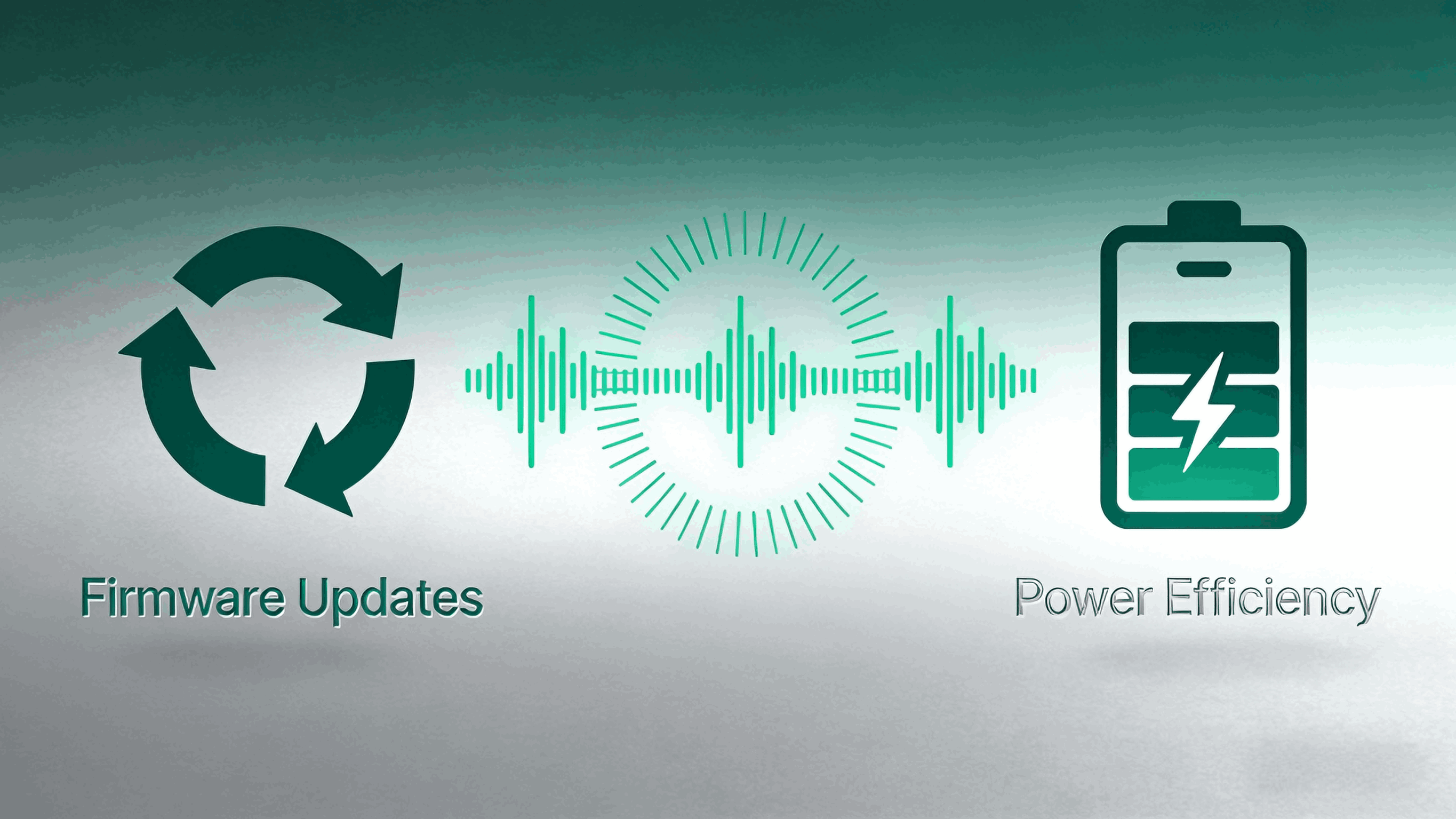
Firmware and Software Updates:Regularly updating the firmware and software of data center hardware is crucial for security and performance. However, managing these updates manually across hundreds or thousands of devices can be incredibly time-consuming. With Redfish API, updates can be automatically pushed to devices, ensuring that all hardware is running the latest versions of firmware and software without requiring manual intervention.
Power Management:Power efficiency is a critical concern for modern data centers. Redfish API enables automated power management, allowing administrators to monitor energy consumption and adjust settings for optimal performance. For example, power capping or scheduling power-on/off operations can be automated to reduce energy costs and improve sustainability.
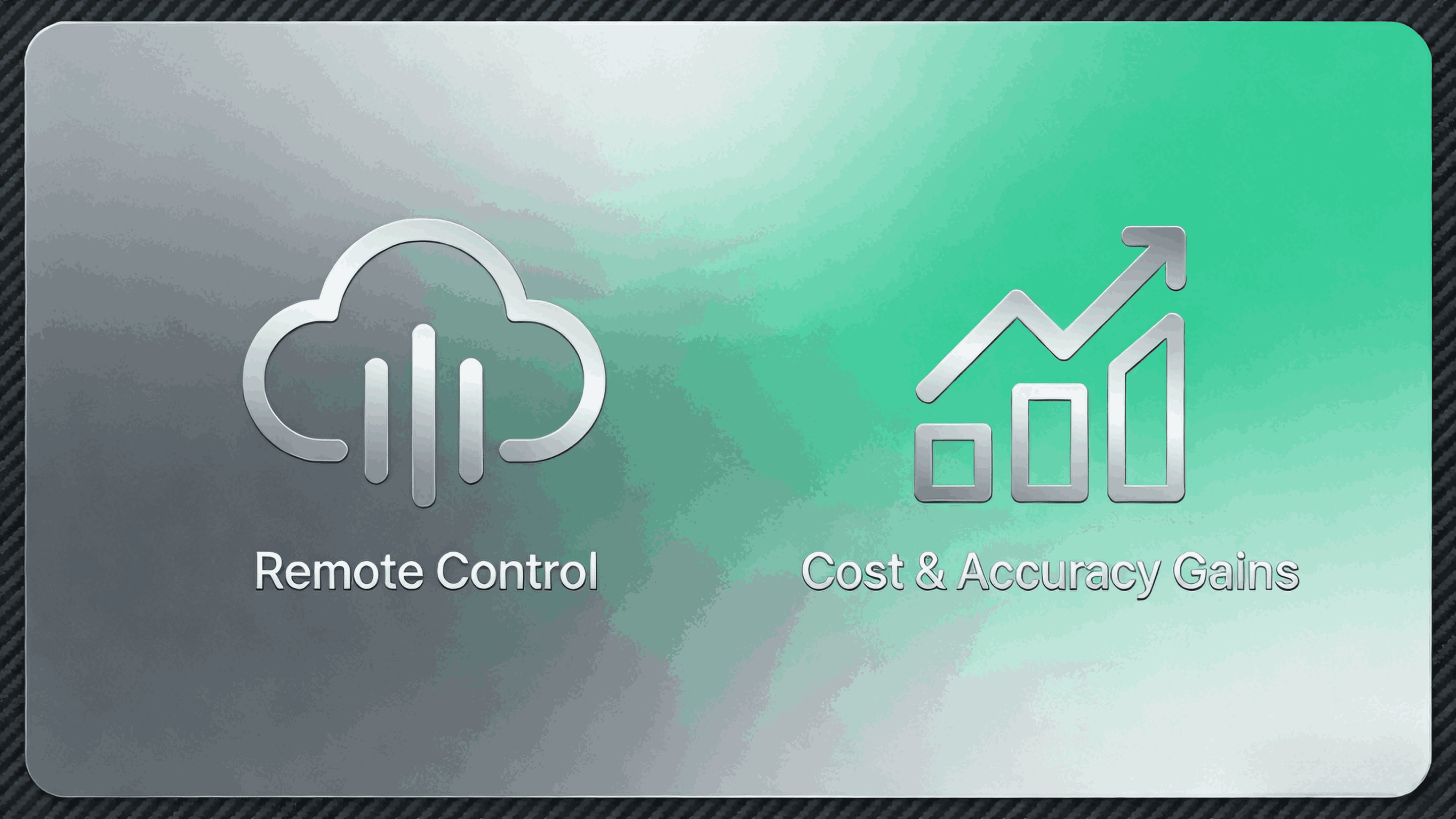
Remote Management:The ability to manage data center hardware remotely is essential for distributed operations. Redfish API provides a robust framework for remote management, allowing administrators to access and control devices without being physically present. This remote capability is particularly valuable for organizations with multiple data centers or those operating in remote locations, as it reduces the need for on-site staff and travel expenses.
Benefits of Automating Data Center Operations with Redfish API
The move from manual to automated operations using Redfish API offers several significant benefits to businesses, including:
Reduced Labor Costs:By automating routine tasks, businesses can significantly reduce the amount of time IT teams spend on manual operations. This translates into cost savings, as fewer staff are needed for day-to-day management. With Redfish API, administrators can focus on more strategic tasks, while automation takes care of the repetitive and time-consuming processes.
Increased Efficiency:Automation leads to faster and more reliable operations. Tasks like hardware provisioning, monitoring, and updates can be completed more quickly and with fewer errors. Redfish API enables organizations to scale operations without having to increase labor or overhead, ensuring that the IT infrastructure can grow in line with business needs.
Improved Accuracy:Manual processes are inherently prone to human error. By automating tasks with Redfish API, businesses can reduce the risk of mistakes caused by manual configuration or oversight. Automated processes are consistent and precise, ensuring that hardware is managed optimally and according to best practices.
Faster Issue Detection and Resolution:With real-time monitoring and automated alerts, Redfish API enables businesses to detect and resolve issues much faster than manual processes allow. Automated alerts notify IT teams of potential issues, such as hardware failures, performance degradation, or security vulnerabilities, allowing for proactive management and minimal downtime.
Scalability:As businesses grow, so too does the complexity of their data center operations. Redfish API allows businesses to scale their operations without significantly increasing staff or manual workload. The API’s flexibility makes it easy to integrate into existing environments and manage larger, more complex infrastructures.
Conclusion: Redfish API—The Future of Data Center Automation
Redfish API is revolutionizing the way businesses manage their data centers, moving from manual intervention to fully automated operations. By providing a standardized framework for managing hardware, automating processes, and improving efficiency, Redfish API is helping businesses reduce labor costs, increase operational efficiency, and scale their IT infrastructure seamlessly.
The shift toward automated operations is not just about improving the bottom line—it’s about ensuring better security, faster response times, and greater agility in a world that demands more from IT infrastructure. With Redfish API, businesses can stay ahead of the curve, enabling them to meet the challenges of the future head-on.