As white-label servers continue to gain traction among cloud providers, system integrators, and enterprise infrastructure builders, remote management capabilities have become a core evaluation item—not an optional add-on.
Two technologies dominate the landscape today: IPMI (Intelligent Platform Management Interface) and Redfish, each offering distinct advantages depending on the use case, cost structure, and integration depth.
At Shenzhen Angxun Technology Co., Ltd., with 24 years of OEM/ODM experience in server and industrial hardware platforms, we help customers choose the right out-of-band management solution based on engineering, budget, and long-term support considerations. This guide summarizes the key differences and provides actionable selection recommendations.
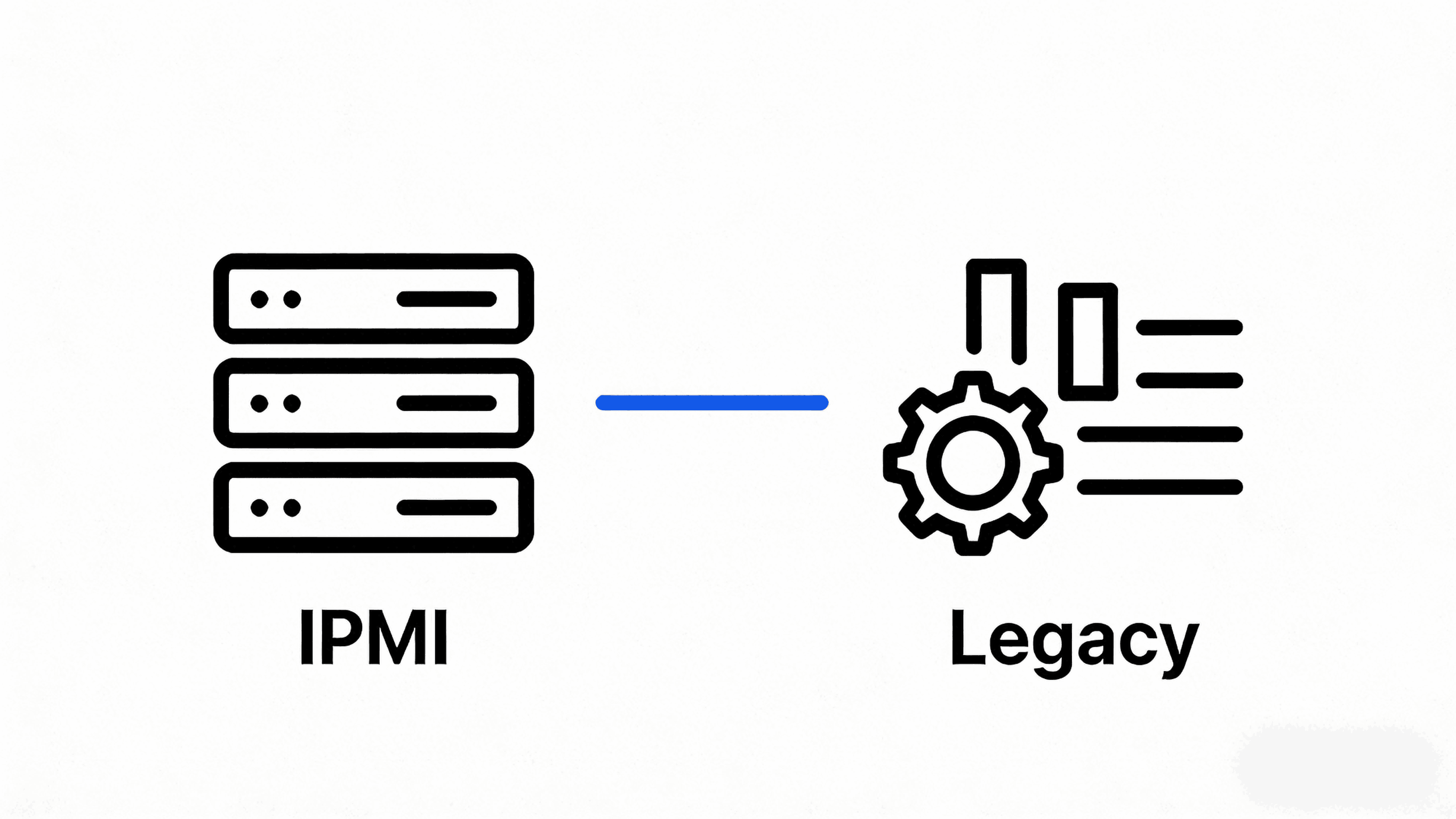
1. What Is IPMI? The Legacy Standard That Still Works
For more than 20 years, IPMI has been the backbone of server management across data centers worldwide.
Core Capabilities
Remote power on/off/reset
Sensor monitoring (temperature, voltage, fan speed)
KVM-over-IP
Event logs and alerts
Firmware updates
Strengths
✔ Widely supported across legacy and current platforms
✔ Lower implementation cost
✔ Mature ecosystem with predictable behavior
✔ Ideal for simple, stable, cost-sensitive deployments
Limitations
Based on older protocols (RMCP/RMCP+)
Non-RESTful and less developer-friendly
Limited extensibility for modern cloud automation
UI/UX varies significantly across BMC vendors
Not designed with modern security standards in mind
For many industrial, SMB, and embedded server applications, however, IPMI remains reliable, simple, and cost-efficient.
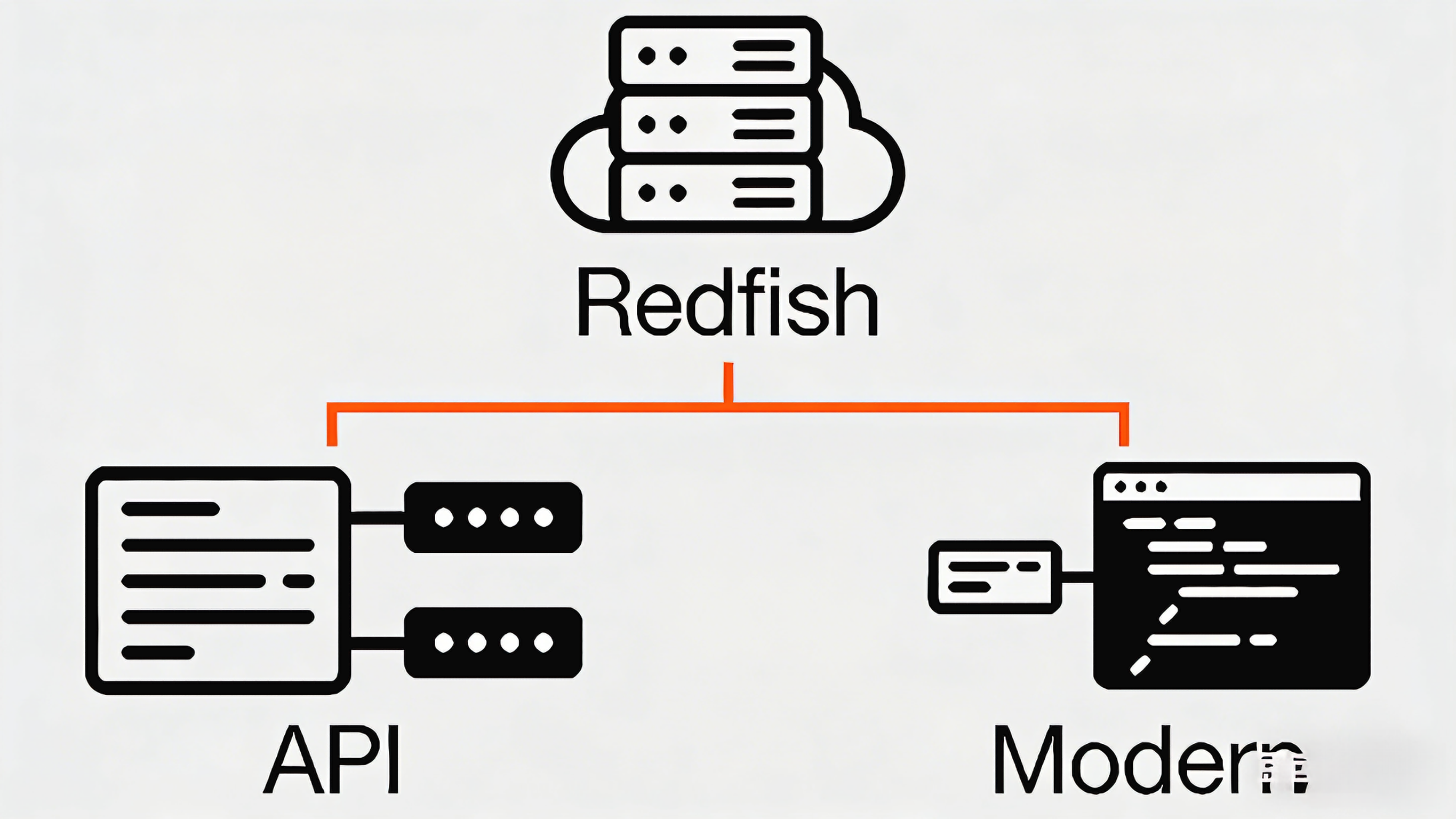
2. What Is Redfish? The Modern API-Driven Management Standard
Developed by the DMTF, Redfish is a next-generation server management framework built on modern web technologies.
Key Features
RESTful API with JSON data format
Secure by default (HTTPS/TLS, role-based access control)
Standardized schemas for compute, storage, and networking
Scalable automation through DevOps tools
Designed for cloud-scale orchestration
Advantages
✔ Cloud-friendly (works with Ansible, Terraform, Kubernetes operators)
✔ Strong security architecture
✔ Consistent API schemas across vendors
✔ Better long-term extensibility and firmware lifecycle management
✔ Easier integration into modern observability platforms
Challenges
Higher implementation cost for OEM/ODM
Requires stronger BMC performance and software ecosystem
Learning curve for teams accustomed to IPMI workflows
For enterprises targeting cloud-native infrastructure, Redfish is rapidly becoming the preferred choice.
3. IPMI vs. Redfish: Feature-by-Feature Comparison
Category | IPMI | Redfish |
Protocol | RMCP+, UDP/TCP | RESTful API, HTTPS |
Security | Basic, older standards | Modern TLS, RBAC, secure boot |
Automation | Limited scripts | Full integration with DevOps tools |
Extensibility | Low | High, schema-based |
Ecosystem Fit | Legacy data centers, industrial compute | Cloud providers, modern SIs |
Implementation Cost | Low | Medium–High |
User Interfaces | Vendor-dependent | Standardized + API uniformity |
4. Which Should You Choose? Practical Scenarios
Choose IPMI If:
You’re building cost-sensitive white-label servers
Management needs are basic and stable
Deployment involves traditional data centers or industrial PCs
Legacy tooling must be maintained
KVM/IPMI features are already standardized in your ecosystem
Choose Redfish If:
You’re building cloud-native infrastructure
Automation and orchestration are top priorities
Security compliance is mandatory (finance, government, telecom)
You require modern software-defined datacenter capabilities
Infrastructure is scaling beyond thousands of nodes
Hybrid Strategy
Many modern BMCs support both IPMI and Redfish, enabling gradual migration. This is often the best choice for integrators who want modern APIs without losing compatibility.
5. How Angxun Helps Customers Choose the Right Management Stack
With a 50+ R&D engineer team and extensive OEM/ODM experience, Angxun not only manufactures server-grade motherboards but also provides BMC, BIOS, and system-level integration consulting.
Our hardware engineering advantages include:
Advanced thermal materials with aluminum cooling baseplates
All-solid capacitors for long service life
Reinforced PCB copper layers for stable power delivery
Independent CPU power supply modules
Zero-burning protection circuits
Dual safety voltage/current stabilization
Our factory capabilities: