In OEM organizations, RMA rates are often treated as a manufacturing quality metric.When returns increase, the instinctive response is to look for:
Defective components
Supplier quality issues
Production line errors
Yet in modern server platforms, most RMAs are not caused by broken hardware.
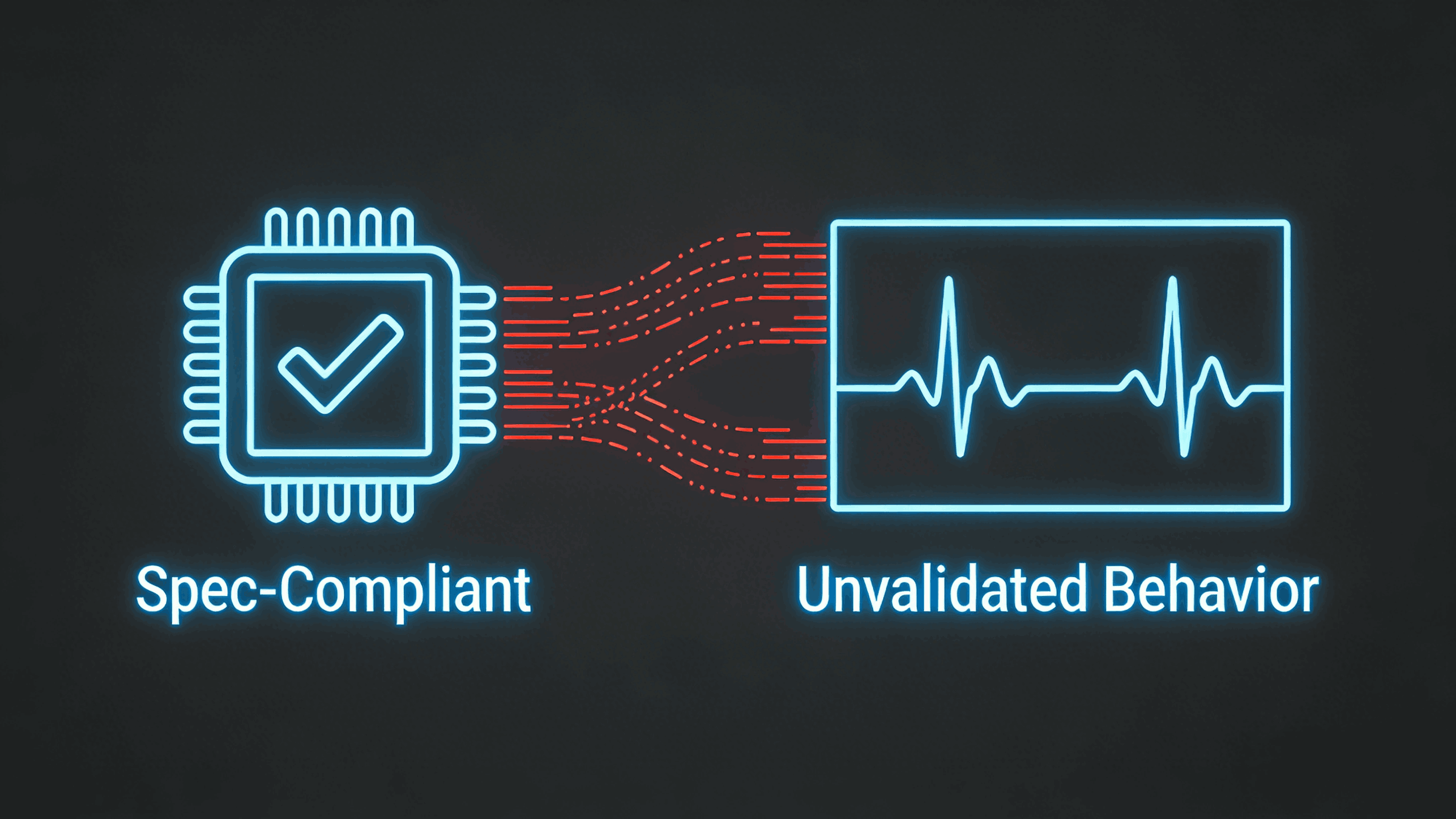
They are caused by unvalidated system behavior.
1. The Misconception: RMA Equals Hardware Failure
From a management viewpoint, an RMA appears simple:
A customer reports a failure, a unit is replaced.
But post-mortem data across OEMs, ODMs, and cloud providers shows a consistent pattern:
The returned hardware often tests within specification
The failure cannot be reproduced in isolation
The issue disappears after configuration changes
In many cases, nothing was physically “wrong” with the hardware at all.
2. Where RMAs Really Come From
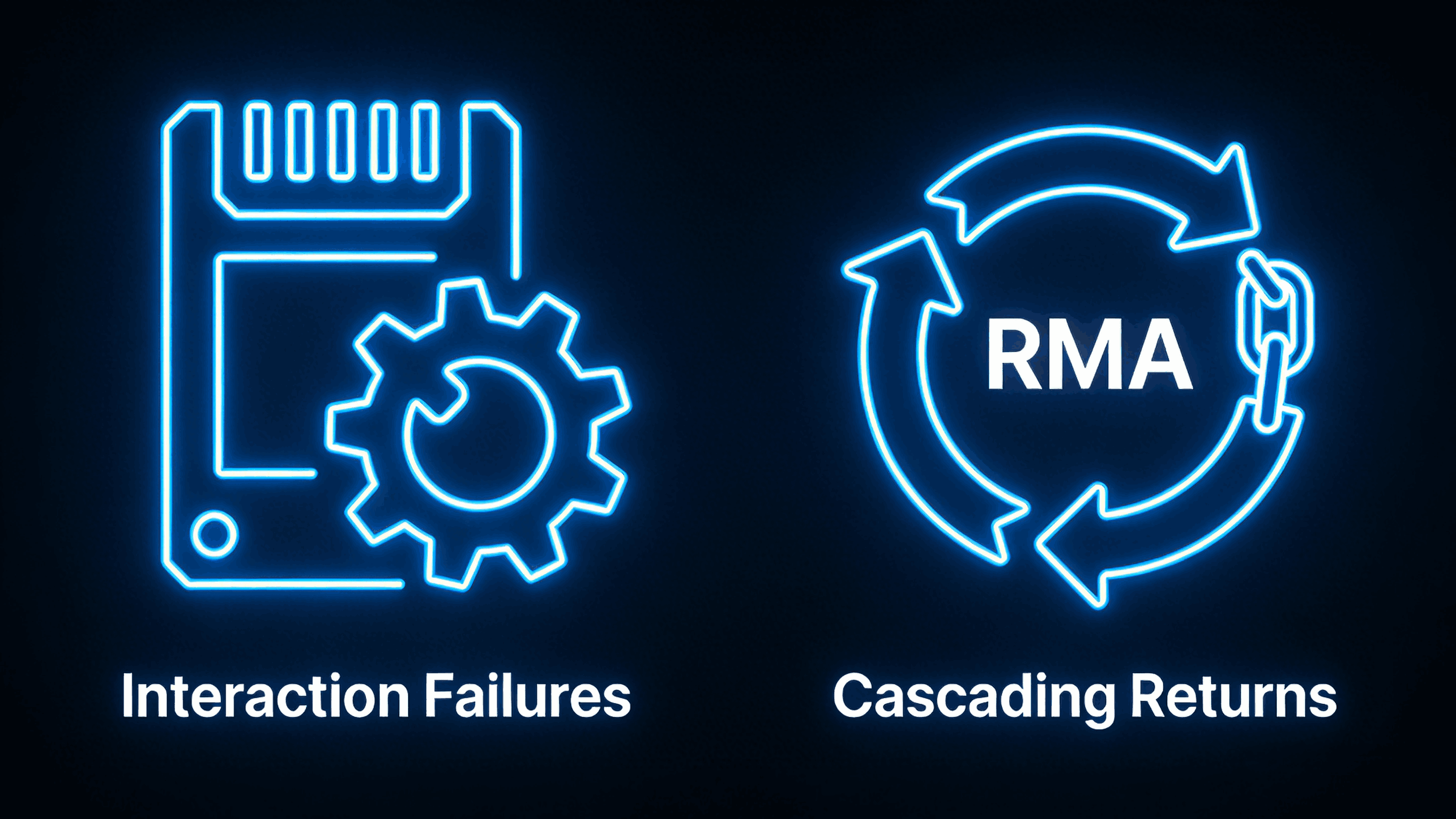
Most RMAs originate from interaction failures, including:
Firmware and driver mismatches
Marginal timing behavior under load
Power and thermal boundary conditions
Unvalidated component combinations
Behavior changes after updates
These failures mimic hardware defects, but replacing parts rarely resolves the root cause.
3. Why These RMAs Are So Expensive
For OEM leadership, the true cost of RMA extends far beyond replacement units:
Support and escalation labor
Logistics and inventory pressure
Engineering time diverted from roadmap work
Customer confidence erosion
Because the root cause remains hidden, the same issue often triggers multiple RMAs across different customers.
4. Why Traditional Quality Controls Miss the Problem
Manufacturing QA is excellent at catching:
It is not designed to catch:
Firmware interaction issues
Long-duration stability problems
Environment-dependent behavior
Cross-component timing conflicts
As a result, systems ship “clean” — but not always predictable.
5. The Scale Effect: Small Issues Become Big Numbers
At low volumes, these issues appear random.
At scale:
1% instability becomes dozens of RMAs
Non-reproducible failures slow resolution
Support teams lose credibility
Costs rise faster than revenue
For management, this creates a dangerous illusion:
RMA looks like a support problem, but it is actually an engineering maturity problem.
6. What High-Performing OEMs Do Differently
OEMs with consistently low RMA rates invest upstream:
System-level validation, not just component checks
Locked firmware and driver baselines
Controlled component substitutions
Feedback loops from field data to validation teams
They treat RMA reduction as a design discipline, not a reaction process.

7. The Management Shift That Changes Everything
The most effective OEM leaders stop asking:
“Which part failed?”
They start asking:
“Which assumption in our validation failed?”
This shift:
Conclusion
Most RMAs are not the result of defective hardware.
They are the result of systems that were compatible, but not validated as production platforms.
For OEM management, the path to lower RMA is clear:
Invest earlier in validation
Measure predictability, not just pass/fail
Treat RMA as an engineering signal
Because in modern infrastructure, stability is a leadership decision, not a support function.