How Platform Teams Achieve Predictable and Scalable Deployments
In modern data centers, standardization is no longer optional — it is a necessity.
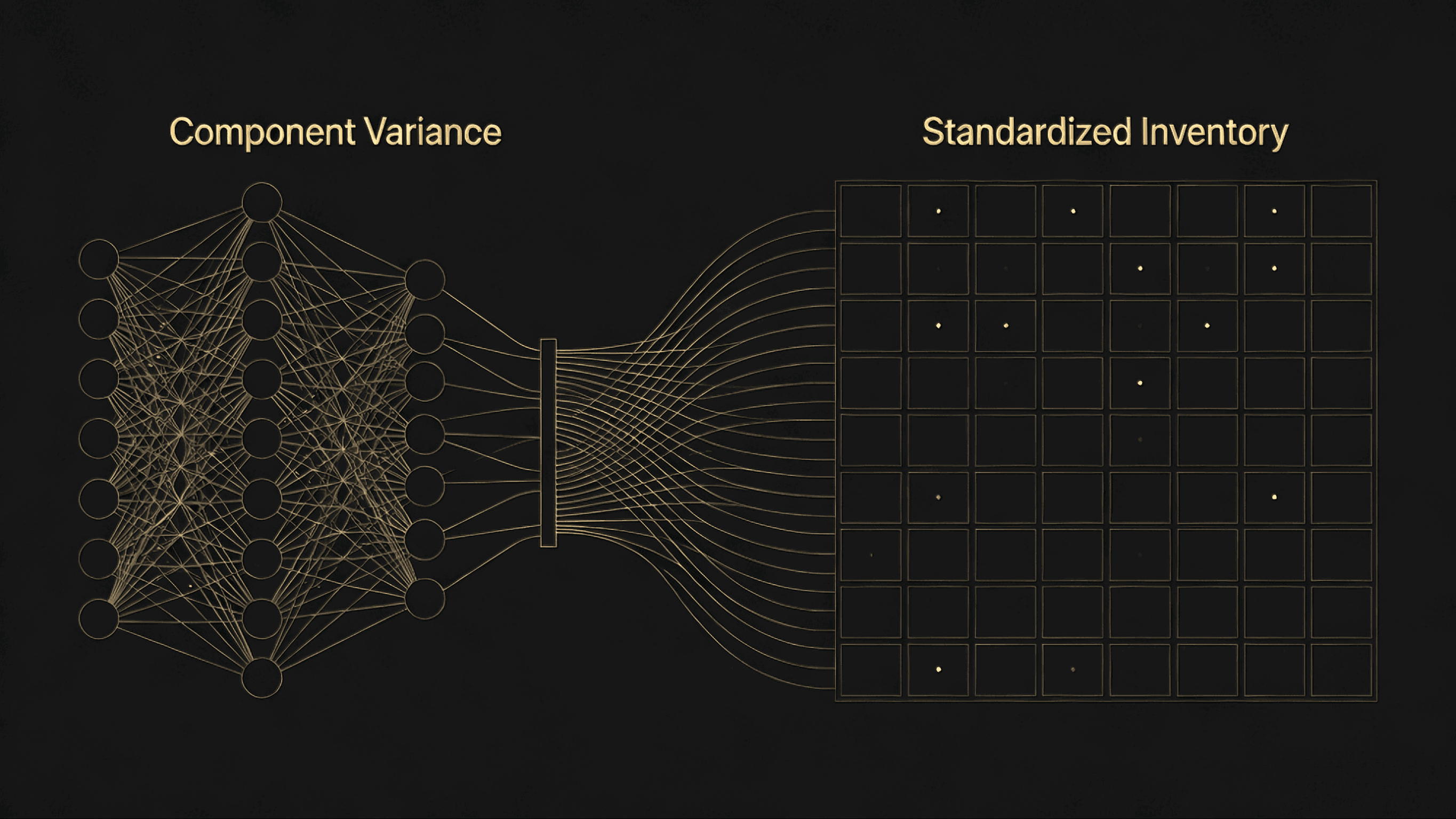
Servers that look identical on paper can behave differently in production if component-level variance is ignored.
For platform teams, component databases have become the backbone of server standardization. They transform raw inventory into actionable knowledge, enabling predictable deployments at scale.
Why Standardization Matters
Scaling server fleets introduces challenges:
Minor differences in CPUs, memory modules, NICs, or storage can lead to performance inconsistencies.
Variability can cause deployment failures or intermittent faults that are difficult to diagnose.
Without standardization, architecture teams spend more time debugging than designing.
Standardization ensures:

What a Component Database Does
A component database is not just a parts list. It is a living repository that tracks:
Component Variants and Revisions
CPU stepping, memory IC revision, NIC firmware, storage controller microcode
Avoids silent substitutions that introduce hidden risk
Compatibility and Interaction
Pre-validated pairings between CPU, memory, storage, and network
Tracks known issues, tolerances, and performance envelopes
Lifecycle and Traceability
Batch, supplier, and firmware version tracking
Provides context for troubleshooting and predictive maintenance
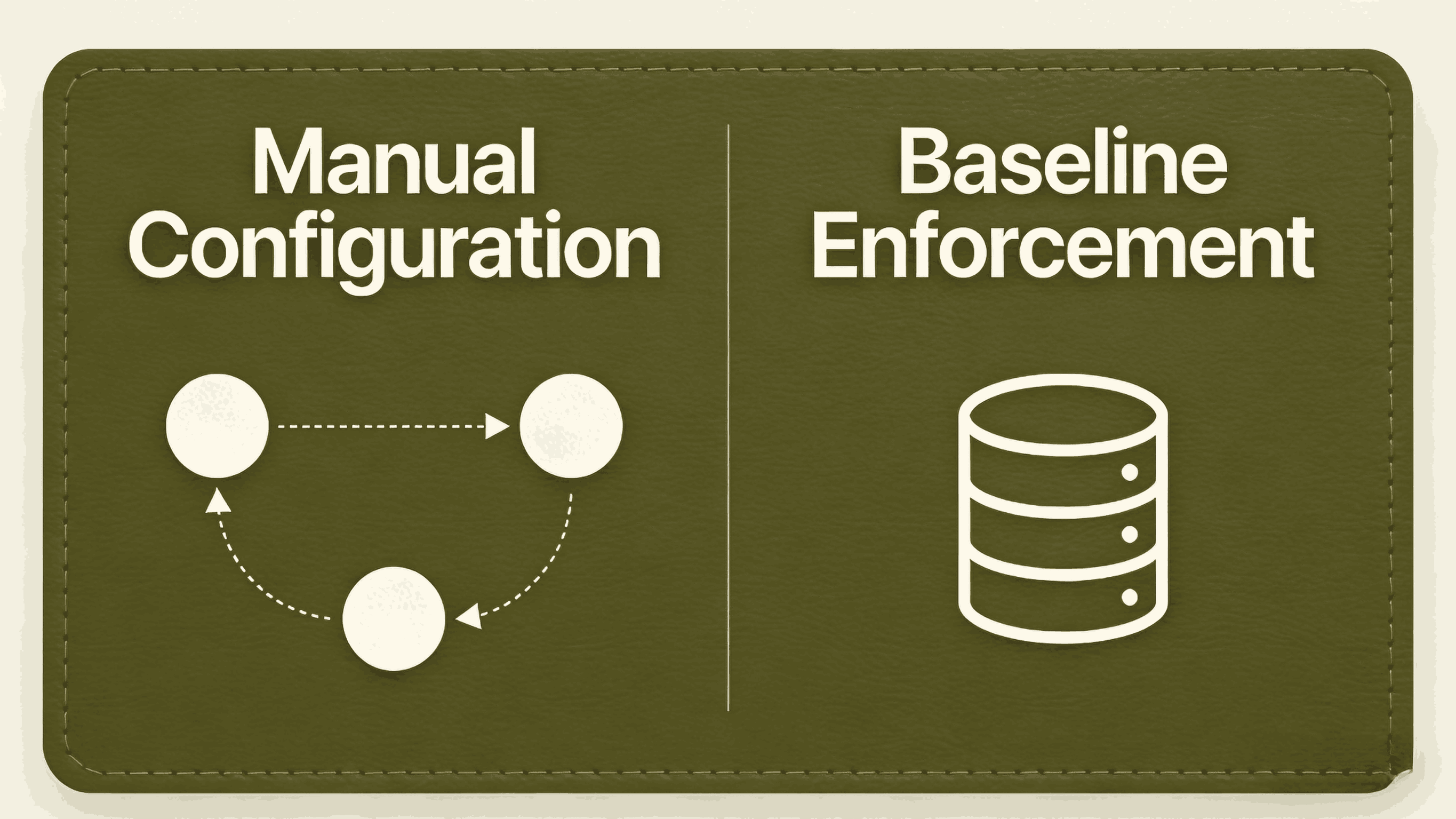
Configuration Baselines
Documented BIOS, firmware, and microcode settings
Ensures systems behave as intended, even across hundreds of units

How Component Databases Enable Server Standardization
1. Predictable Deployments
Platform teams know exactly which components are approved.
2. Efficient Validation
Component-level records allow testing to focus on known variables, not every possible permutation.
3. Faster Root-Cause Analysis
When issues arise, a component database enables rapid investigation:
Traceability eliminates guesswork and accelerates incident resolution.
4. Scalable Architecture Management
As fleets grow, architecture teams can:
Define standards based on proven components
Avoid repeating integration errors
Predict capacity and performance reliably
Best Practices for Component Database Implementation
Centralized Repository
Single source of truth accessible by engineering, operations, and procurement
Strict Version Control
Track every revision, firmware update, and batch change
Continuous Validation
Update database with real-world performance feedback
Integration with Deployment Tools
Use the database to enforce hardware and configuration standards automatically
Final Thought
Component databases are more than an inventory tool.
They are the architectural glue that holds standardized server fleets together.
By codifying every part, revision, and configuration, platform teams can:
In large-scale deployments, predictable systems always start with predictable components, and a well-maintained component database is the key enabler.