Why Mixing Similar Components Is Riskier Than It Looks
A Procurement and Engineering Perspective on Hidden Infrastructure Risk
On paper, the components look identical.
Same capacity.
Same speed.
Same interface.
Same datasheet specifications.
From a procurement perspective, they are “equivalent.”
From an engineering perspective, they often are not.
Mixing “similar” components is one of the most common — and underestimated — sources of instability in server and data center environments.
Why Similar Does Not Mean Identical
Component datasheets describe capabilities, not behavior.
Behind identical specifications can exist:
Different silicon revisions
Different firmware logic
Different controller implementations
Different tolerance margins
These differences are usually invisible during initial testing — but emerge over time and at scale.
Where Risk Appears First
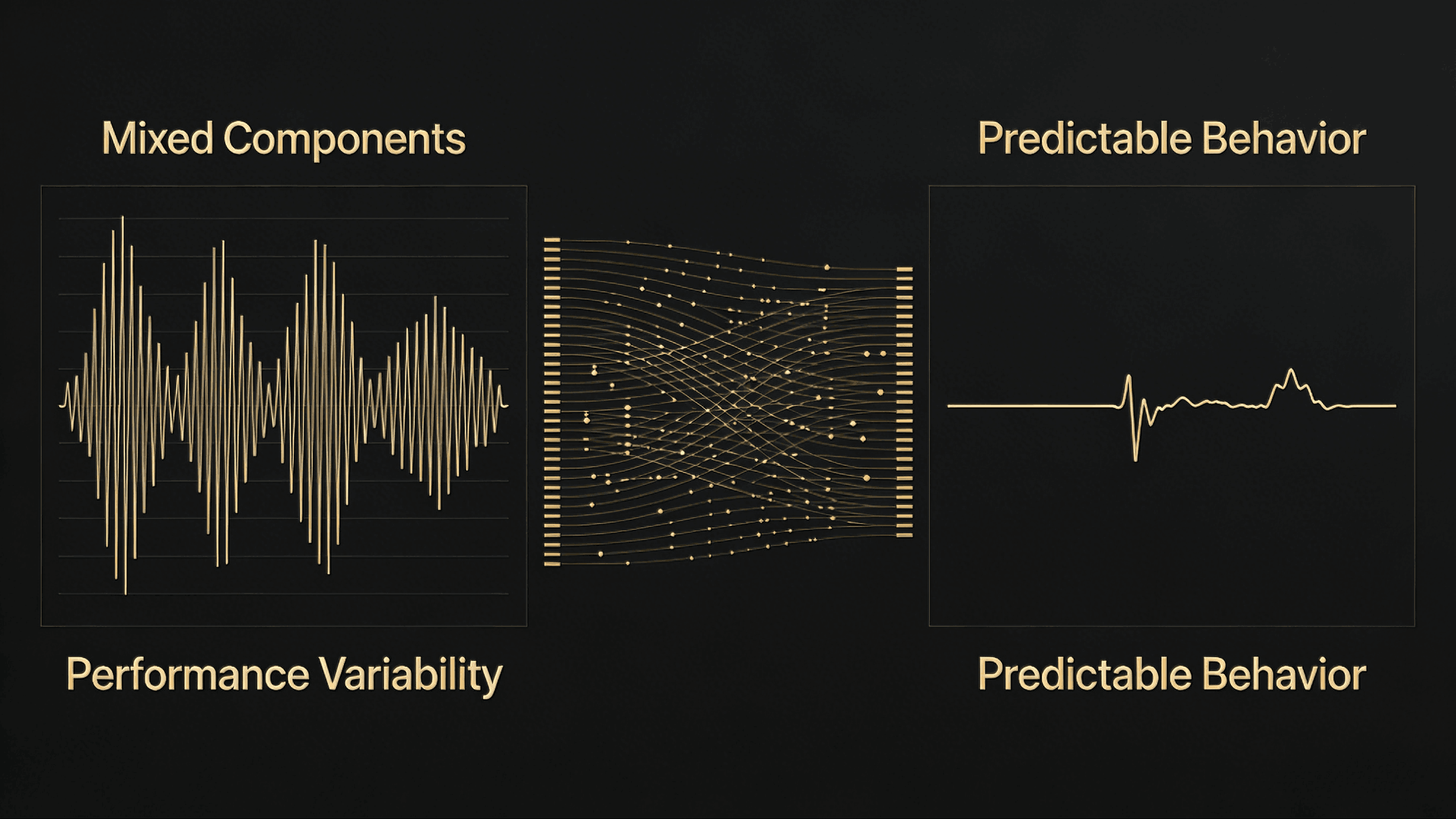
1. Performance Variability
When similar components are mixed:
Latency distributions widen
Throughput becomes uneven
Schedulers misjudge available capacity
The result is not outright failure, but inefficient utilization and unpredictable performance.
2. Stability Under Sustained Load
Many issues only surface under:
Components that behave similarly in short tests can diverge significantly after weeks of operation.
3. Firmware and Configuration Edge Cases
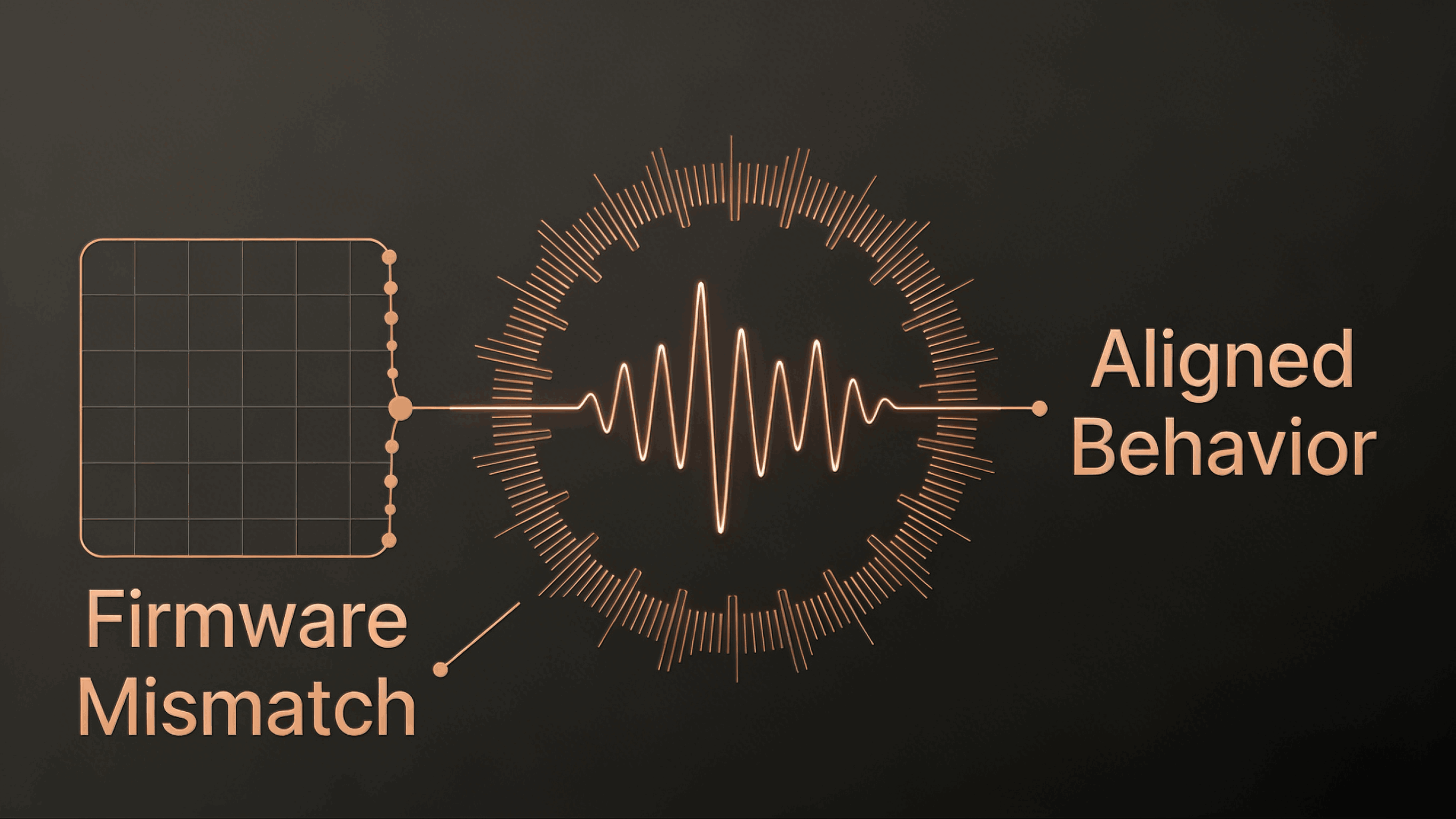
Even when firmware versions match:
Default settings may differ
Recovery behavior may not align
Error handling logic may diverge
These discrepancies create failures that are:
Intermittent
Difficult to reproduce
Hard to isolate
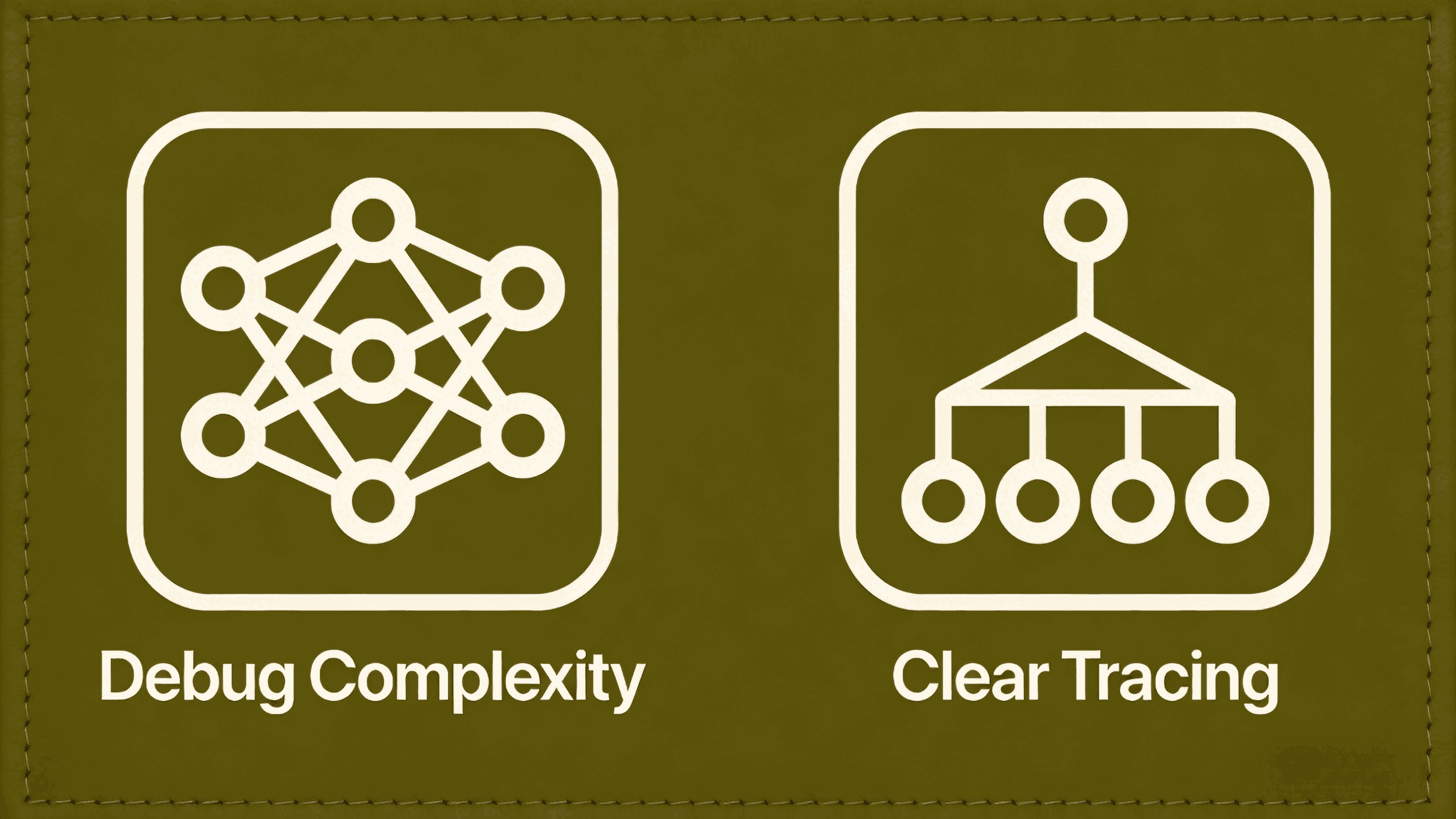
4. Debugging and Root-Cause Analysis Complexity
When mixed components are present:
Failures no longer correlate cleanly
Patterns become statistically noisy
Engineers chase symptoms instead of causes
What could have been a single fix becomes a prolonged investigation.

Why Procurement Choices Matter to Engineering Outcomes
Procurement teams are often incentivized to:
Engineering teams are incentivized to:
Without alignment, well-intentioned sourcing decisions can unintentionally increase operational risk.
Why Hyperscale and Cloud Operators Avoid Mixing
Large cloud providers have learned this lesson repeatedly.
They:
Freeze component variants
Reject silent substitutions
Limit approved alternatives
Validate behavior, not just specs
At scale, the cost of variance far outweighs the savings of flexibility.
How Mature Teams Manage Component Similarity Safely
Risk is not eliminated by banning alternatives — but by controlling them.
Best practices include:
Pre-validating each component variant independently
Avoiding mixed deployment within the same cluster or batch
Tracking component revisions and firmware explicitly
Tying configuration profiles to specific component identities
Similarity must be proven, not assumed.
Final Thought
Mixing similar components feels safe because the differences are subtle.
But in infrastructure systems:
Subtle differences create systemic risk.
What looks equivalent at purchase time can behave very differently in production.
The most reliable systems are not built from the cheapest or most flexible parts —
they are built from controlled, predictable components.