Anyone who has ever priced out a custom motherboard knows this feeling:
“Why is the NRE so high?”
“Why does a small change cost hundreds or thousands of dollars?”
“Why does a low-volume board cost more than a retail board?”
The truth is: hardware customization is expensive not because manufacturers want it to be, but because electronics development has real, unavoidable engineering and production costs.
As a company that has been building Intel/AMD motherboards and industrial platforms for 24 years at Shenzhen Angxun Technology Co., Ltd., we’ve seen these questions on every OEM/ODM project.
So here’s a clean, honest, engineering-level breakdown of where the money actually goes when you customize a motherboard.
1. NRE (Non-Recurring Engineering): The Invisible but Essential Cost
Most new customers underestimate NRE because it’s not a physical part.
But it’s the foundation of the entire project.
Typical NRE includes:
Electrical schematic design
PCB layout (4–10 layers, high-speed routing, impedance control)
Signal integrity simulation
Power delivery design (VRM, protection circuits)
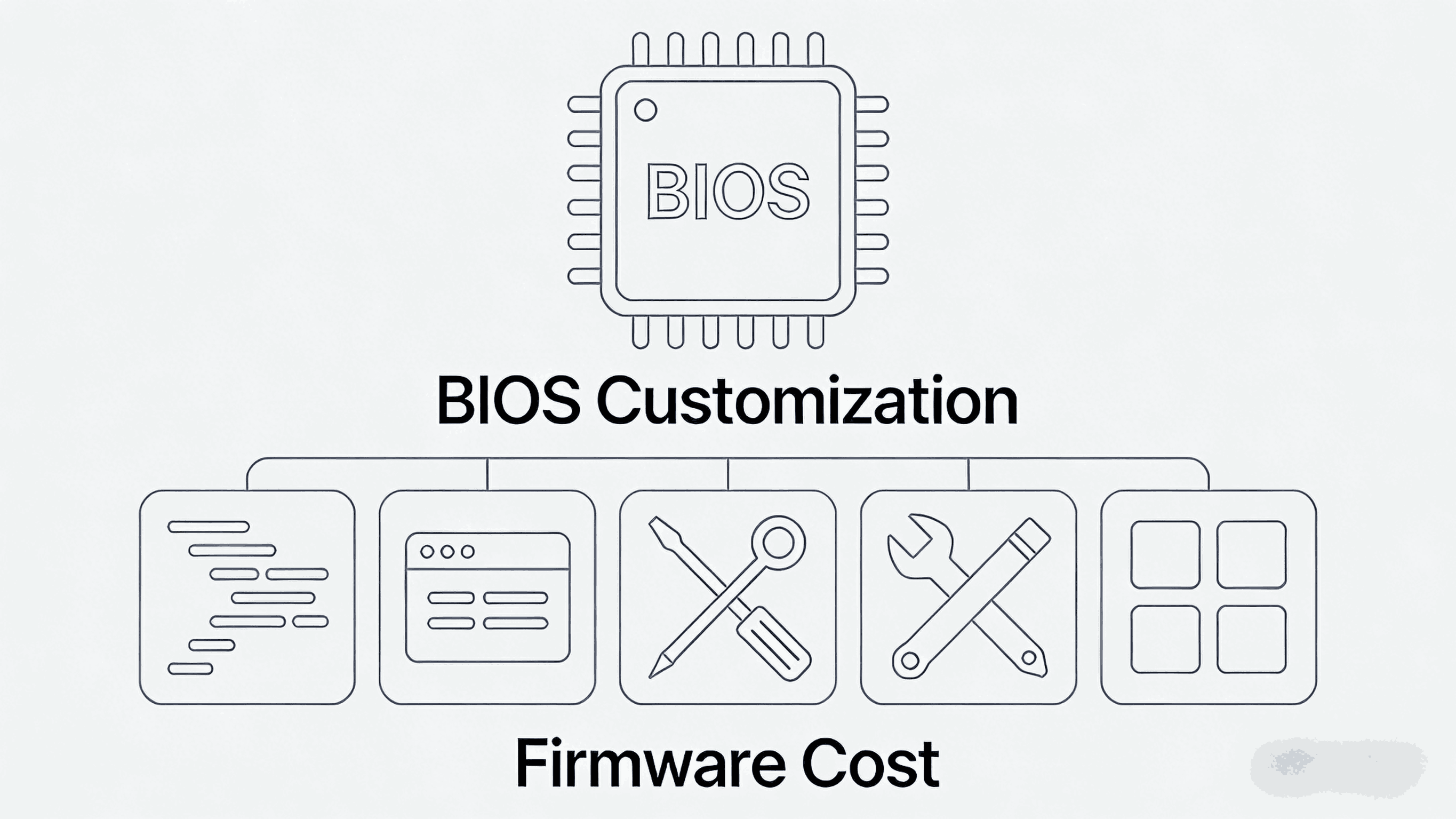
BIOS customization
EC firmware development
Mechanical design / ID adjustments
DFM/DFT review
Engineering labor hours
Engineering samples (EVT/DVT prototypes)
NRE can easily be 30–40% of the total project cost for low-volume orders.
High-speed Intel/AMD platforms require long design hours — not black magic, just expensive engineering time.
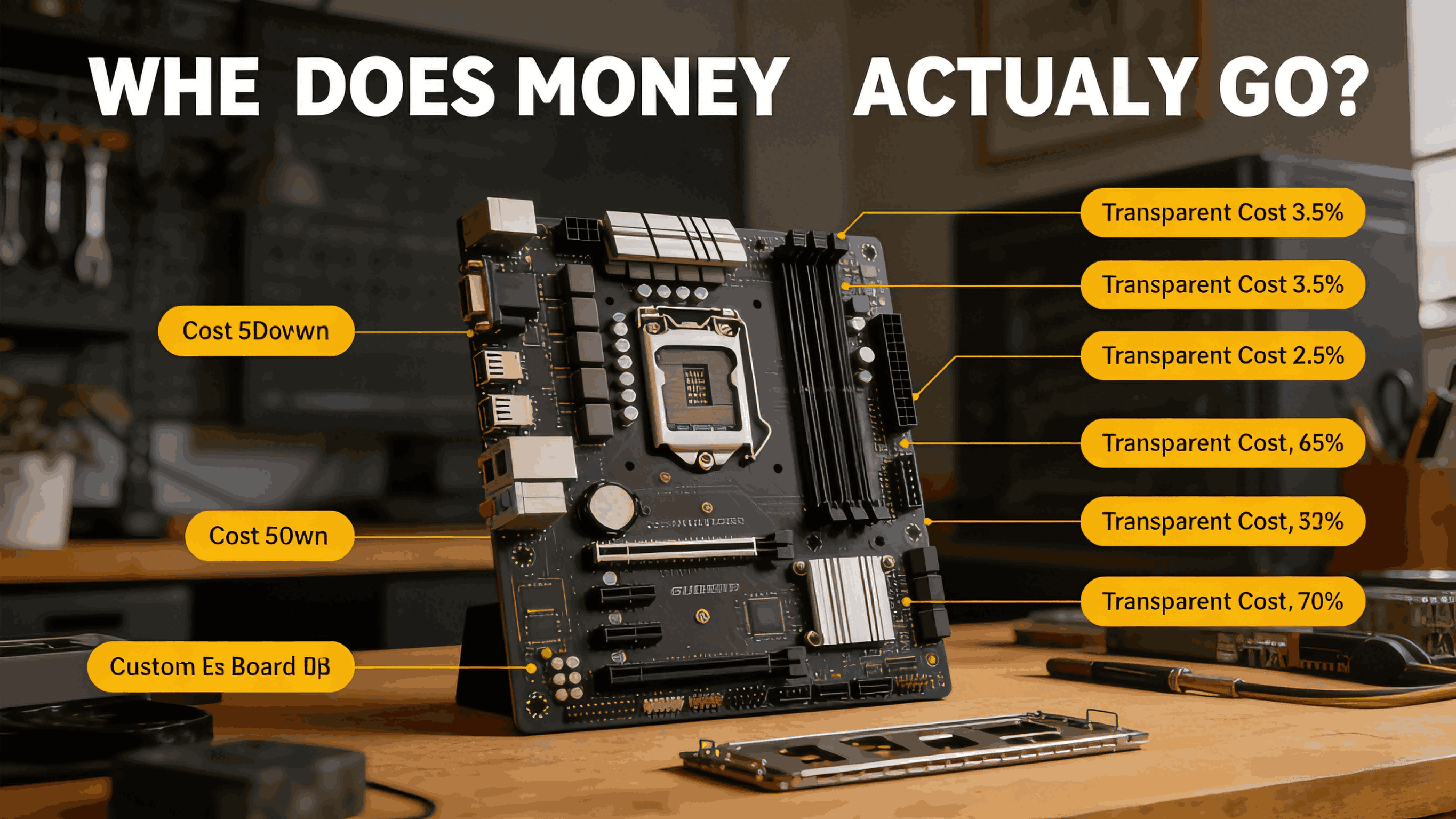
2. BOM Cost (Bill of Materials): The Hard Reality of Components
This is the cost you can see: chips, connectors, PCB, power components, etc.
Main contributors to BOM:
CPU socket (LGA / AM5)
Chipset / PCH
PCB cost (especially 6-layer and 10-layer boards)
Power delivery components (MOSFETs, inductors, capacitors)
High-quality all-solid capacitors
Copper plating layers
LAN controllers / PHY chips
HDMI/DP ICs
USB controllers
VRM cooling solutions
Aluminum-base thermal architecture
Connectors (surprisingly expensive at scale)
Safety components & fuses
Some customers assume “small changes” mean “cheap,” but even:
…can change the BOM significantly due to supply-chain availability.
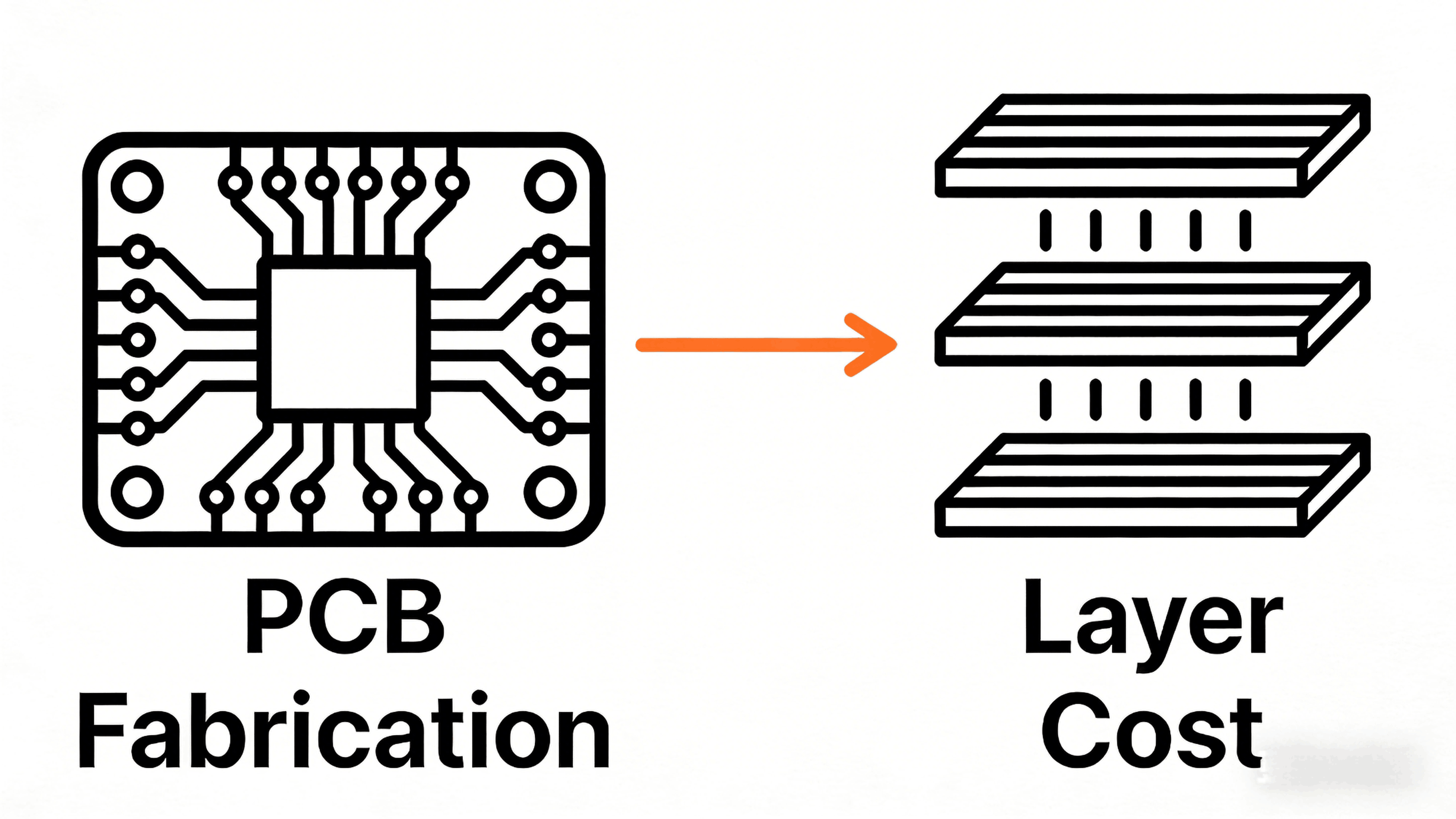
3. PCB Fabrication Cost
This is especially important for industrial boards.
Factors affecting PCB cost:
Number of layers (common: 6 or 8)
Copper thickness
HDI requirements
Impedance-controlled routing
Via-in-pad process
Material type (FR4 standard vs. high-TG vs. halogen-free)
Panelization efficiency
Complex motherboards often require high-TG PCBs + thick copper — not cheap.
4. BIOS & Firmware Customization
BIOS work is usually underestimated.
What BIOS customization includes:
BIOS logo and visual branding
Boot-order rules and lockdown
Security settings
TDP/power tuning
Port enable/disable
ACPI tuning for OS behavior
TPM / secure boot implementation
Compatibility patches for specific RAM / SSD / NIC vendors
Firmware development requires specialized engineers — and mistakes can brick devices.