Why Intermittent Failures Are the Most Expensive and Hardest to Fix
In the world of server management and large-scale deployments, there’s one type of failure that can be particularly frustrating, costly, and difficult to address: the intermittent failure.
It’s the kind of bug that only happens sometimes. You might catch it once in a thousand server boots or experience it only under certain load conditions. It’s easy to write it off — until it costs you big.
In this article, we’ll explore why “it only happens sometimes” bugs are actually among the most expensive issues in server fleets, and why they should never be ignored.
The Nature of Intermittent Failures
Intermittent failures are like ghosts. They appear unexpectedly, without warning, and often without leaving clear traces in logs or monitoring systems. Their unpredictability makes them difficult to reproduce, diagnose, and resolve. These failures might occur:
Under heavy loads or during peak hours
After a long period of uptime when components start to heat up
During specific workloads that push components to their limits
In specific environments, such as when temperature or humidity fluctuates
Because of their unpredictability, these bugs tend to get classified as “rare” or “low-priority” at first — but that perception can lead to costly consequences down the road.
Why "It Only Happens Sometimes" Bugs Are the Most Expensive
1. Time Wasted on Troubleshooting
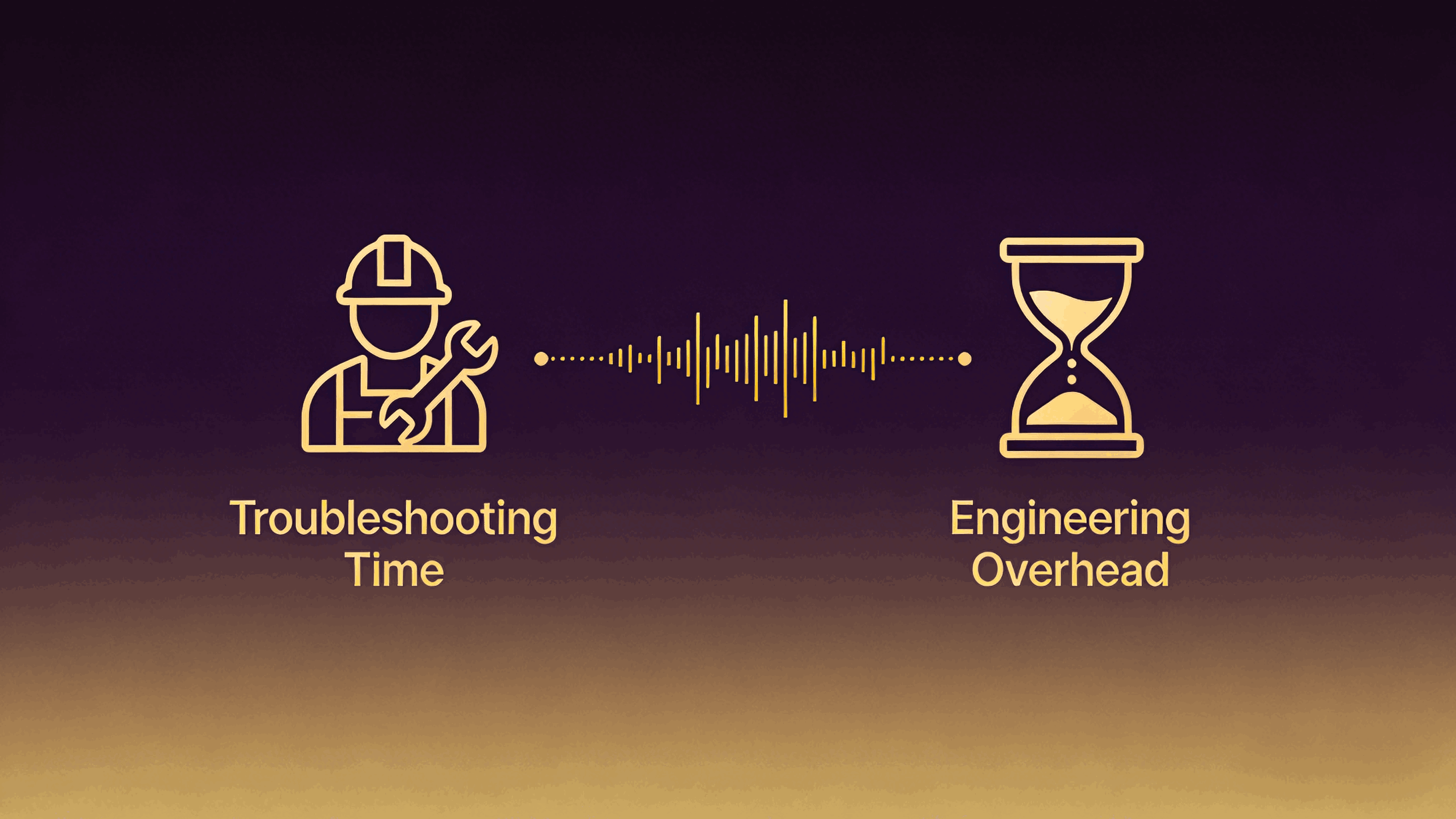
The biggest cost of intermittent bugs is the time spent trying to fix them. When the issue only happens sometimes, engineers often waste hours, if not days, chasing down false leads. Logs are inconclusive, monitoring tools show no anomalies, and root cause analysis becomes a guessing game.
As these issues compound, engineering resources become overextended as teams are pulled in multiple directions, trying to resolve problems with no clear starting point.
2. Production Downtime and Impact on Service Availability
Even if these failures happen infrequently, their impact on service availability can be devastating. A single instance of a server randomly failing under load could result in:
Slower performance for users
Loss of customer trust due to unreliable service
Missed service-level agreements (SLAs)
These costs are often hidden but can be calculated in terms of lost revenue, reduced user satisfaction, and the overall brand damage caused by downtime.
3. Increased Operational Costs
Intermittent failures increase operational costs significantly because they:
Lengthen the time to resolution: These bugs often require extensive time to isolate, with no guarantee of finding a fix on the first try.
Require frequent re-testing and re-validation: Engineers must test and re-test solutions in different environments and under different conditions, consuming valuable resources and time.
Trigger more maintenance cycles: Components may need to be replaced, firmware updated, or configurations adjusted multiple times.
Ultimately, the cost of addressing intermittent failures is not just the cost of fixing the issue itself, but also the additional overhead associated with troubleshooting, testing, and validating.
4. Cumulative Impact on Reliability
Even when intermittent bugs seem minor on their own, their cumulative effect over time can be disastrous. For example:
Inconsistent server behavior can lead to unpredictable performance, especially when systems are scaled up to thousands of units.
Increased hardware stress due to prolonged intermittent failures can reduce the lifespan of components, leading to more frequent hardware replacements.
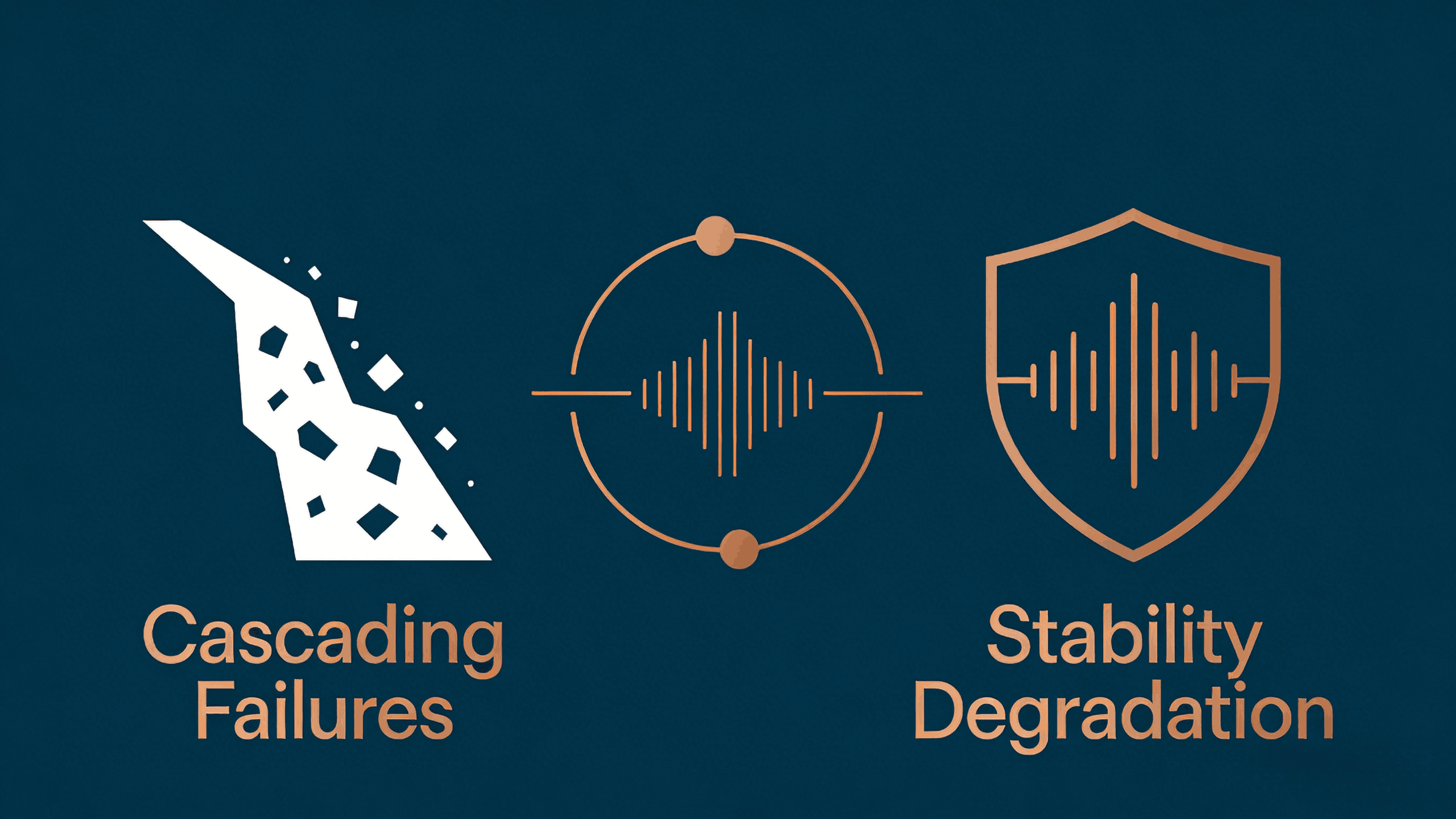
Unreliable system stability as a whole can lead to cascading failures, affecting dependent systems and increasing the complexity of managing large fleets.
Intermittent failures can result in snowballing issues that affect the entire system’s performance and reliability, often requiring complete infrastructure overhauls or re-architecting.

The Hidden Costs of "It Only Happens Sometimes" Failures
While intermittent failures may seem like a minor inconvenience at first, their true cost lies in the hidden expenses associated with:
Decreased team morale as engineers struggle with difficult-to-diagnose issues
Reputation damage when problems occur during critical business operations
Compliance penalties when service disruptions breach contractual obligations
Opportunity costs when engineers spend time solving the same issue repeatedly rather than focusing on innovation
Even a “minor” intermittent bug can cost your business far more than you expect in terms of engineering effort, customer trust, and long-term operational sustainability.
How to Address Intermittent Failures Effectively
1. Implement Proactive Monitoring
Rather than waiting for intermittent failures to happen, implement proactive monitoring that can spot the early signs of these issues, such as:
By catching these anomalies early, engineers can identify patterns and anticipate failure before it causes significant issues.
2. Increase Test Coverage Under Real-World Conditions
Intermittent bugs often appear under real-world operating conditions, so it’s crucial to increase test coverage under stressful conditions that mimic production environments. This includes:
Long-duration testing to simulate extended periods of uptime
Load testing with mixed workloads to test components under stress
Environmental testing to assess performance under various temperature, humidity, and power conditions
Testing beyond standard benchmarks helps to expose hidden issues early on.

3. Implement Root-Cause Analysis Best Practices
When intermittent failures occur, use a systematic approach to root-cause analysis that involves:
Correlating system logs and error messages
Mapping the issue against system performance metrics
Cross-referencing with hardware specifications and firmware versions
Identifying recurring patterns in failures is key to pinpointing the root cause and implementing a permanent fix.
4. Create a Risk Management Plan
Addressing intermittent failures should be part of a broader risk management strategy. This includes:
Documenting known issues and their impact on systems
Creating contingency plans for service disruption
Assigning priorities to issues based on frequency and potential impact
By preparing for intermittent issues, teams can better manage downtime and mitigate their impact.
Final Thought
“It only happens sometimes” bugs might seem inconsequential — but they are among the most expensive failures in server fleets. Their unpredictable nature, combined with their significant impact on uptime, reliability, and operational efficiency, makes them a hidden threat to long-term success.
By implementing proactive monitoring, increasing test coverage, and refining root-cause analysis, engineering teams can reduce the frequency and impact of intermittent failures, ultimately saving time, money, and reputational damage.