Understanding What Makes a Component List Reliable and Production-Ready
In the world of hardware engineering, the component list is more than just a collection of parts — it is the backbone of reliable infrastructure.
When engineers look at a component list, they are not just assessing specifications. They are asking themselves:
Is this combination of components predictable under load?
Can we deploy this list at scale without unexpected failures?
Does the list account for the worst-case scenarios?
A safe and reliable component list is the product of thoughtful evaluation and long-term reliability testing — not just compatibility checks or price considerations.
Why “Safe” Components Are Crucial for Engineers
For engineers, safety in components does not mean just meeting minimum specifications. It means that each part:
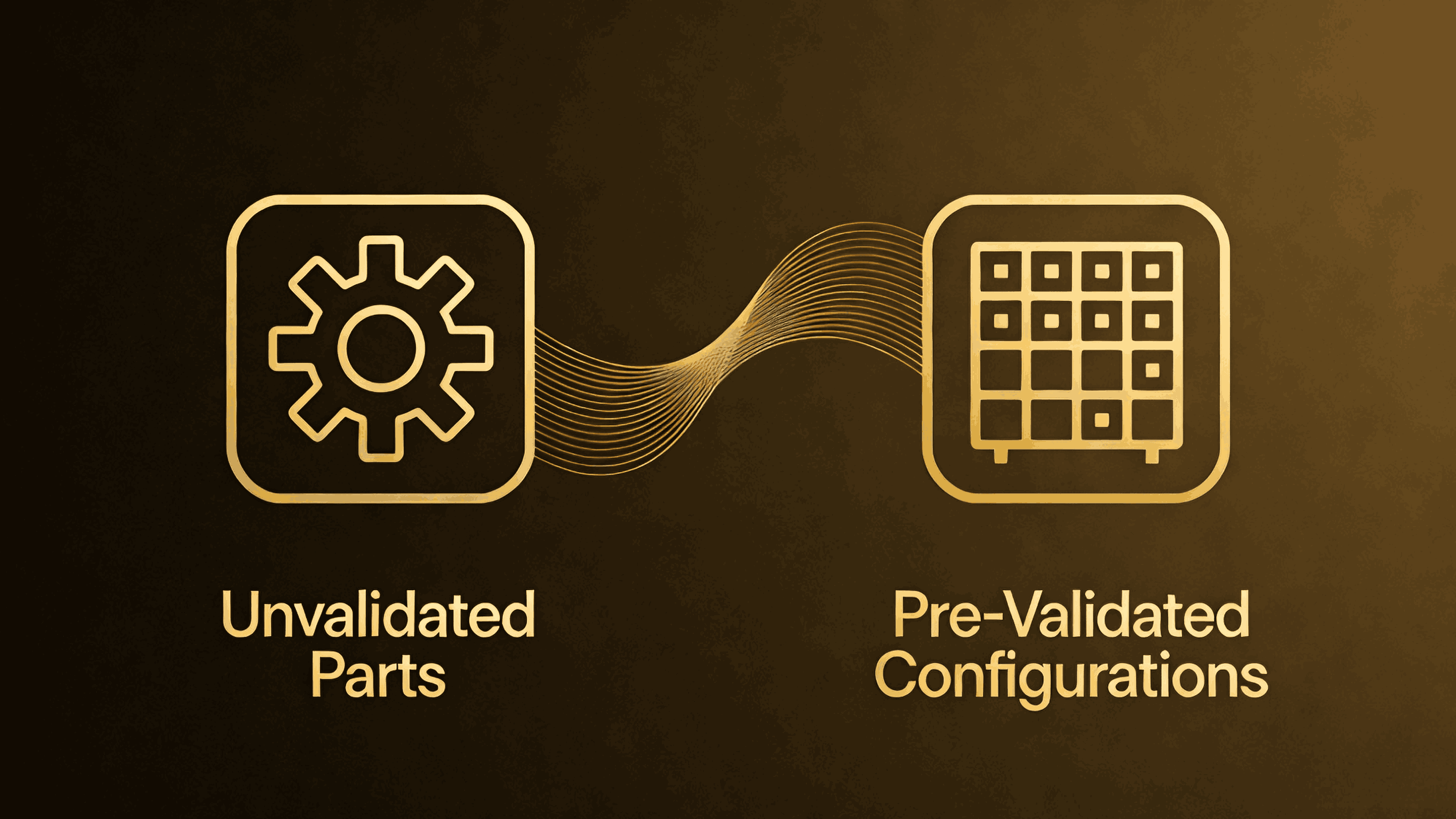
Has been pre-validated with all other components it will interact with.
Behaves predictably over time, even under stress or extended use.
Meets production standards without introducing hidden risks (e.g., firmware quirks, thermal inefficiencies, or firmware compatibility issues).
The safe list is the foundation of long-term system reliability.

Key Characteristics Engineers Look for in a Safe Component List
1. Pre-Validation with Known Configurations
Every component in the list should be validated to work seamlessly with:
Other components (CPU, memory, storage, etc.)
The specific firmware and BIOS versions in use
The environmental conditions (e.g., temperature, power cycles)
Pre-validation ensures:
Performance is stable across all units in a fleet
Components can endure long uptime and repeated cycles without degradation
The deployment will not require extensive re-testing in production
2. Long-Term Reliability Under Real-World Conditions
Components need to be tested not just for their baseline performance, but for real-world conditions:
Sustained load: Will the component continue to perform under heavy or prolonged use?
Temperature variation: Does it behave well under fluctuating thermal conditions?
I/O performance degradation: How does it react to continuous, high-intensity data transfer?
What engineers are looking for is endurance, which means components should hold up over months, if not years, of continuous operation.

3. Compatibility Across Generations and Batches
Component behavior can vary significantly depending on:
Manufacturing batches: Even if the datasheet specs remain the same, subtle differences between batches can create long-term operational issues.
Firmware revisions: Compatibility across firmware updates (e.g., between different versions of BIOS, microcode, or storage controllers) is often overlooked in the initial evaluation.
A safe component list ensures compatibility across batches and firmware versions, protecting the infrastructure from unpredictable failures due to silent updates or substitutions.
4. Clear Performance and Power Profiles
A safe component list includes a complete power and performance profile for each part, covering:
Power consumption under load and idle conditions
Thermal performance under maximum workload
Actual I/O speeds and latency characteristics, validated in real environments
These profiles are critical because they help engineering teams estimate total system performance, optimize power usage, and avoid thermal throttling.

5. End-to-End Traceability and Support
Component traceability is crucial for debugging and warranty purposes. Engineers need to know:
Batch numbers for components, enabling tracing of specific lots if issues arise
Manufacturer support for each part — including firmware updates, warranty policies, and product lifecycle timelines
Traceability provides engineers with a roadmap to diagnose failures and ensures that any component replacement or maintenance is done reliably.
How Safe Component Lists Improve Operational Efficiency
1. Predictable Deployments
When all parts in the list have been thoroughly validated and meet strict requirements, engineers can confidently roll out thousands of units without worrying about performance variances or compatibility issues. This reduces time spent on troubleshooting and accelerates deployment schedules.
2. Fewer Operational Surprises
When components are pre-validated and chosen for reliability under real-world conditions, production systems encounter fewer unexpected failures. This means reduced downtime, less system interruption, and improved service availability.
3. Lower Total Cost of Ownership (TCO)
A safe and validated component list reduces:
The cost of re-validating hardware after every firmware update
The frequency of hardware replacements due to undetected faults
The amount of engineering time spent on resolving issues caused by incompatible or unreliable components
Conclusion: The Importance of Building a Safe Component List
Engineers view a safe component list as the cornerstone of operational reliability and scalability. It is not simply a collection of “compatible” parts — it is a strategic decision that directly impacts system performance, longevity, and operational efficiency.
A safe component list ensures that:
All components are rigorously validated together
Components behave predictably under stress and extended use
The infrastructure remains reliable and cost-effective over time
For engineers, choosing the right components is not just about meeting specs. It’s about ensuring long-term, predictable performance across all hardware and software layers.